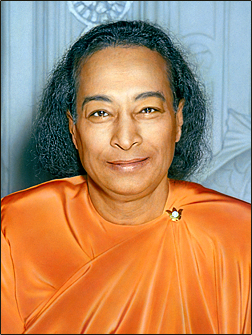
Transforming the Self to Transform the World
Paramahansa Yogananda's profound assertion, "Change yourself and you have done your part in changing the world," invites us to reflect on the intimate connection between personal transformation and collective impact. In a world often fraught with turmoil and discontent, this statement serves as a reminder that the journey toward a better society begins within. It emphasizes the power of individual agency and the ripple effects that personal growth can have on the broader community.
Yogananda's wisdom resonates deeply in our contemporary landscape, where external circumstances frequently seem overwhelming. The call to change oneself is not merely about self-improvement; it is about recognizing our interconnectedness and the role we play in the larger tapestry of existence. By embarking on the path of self-discovery and transformation, we not only elevate our own lives but also contribute to the elevation of those around us, fostering a more compassionate and harmonious world.
The image / the metaphor
The imagery in Yogananda's quote evokes a sense of personal responsibility and empowerment. The verb "change" suggests a dynamic process, one that requires active participation and commitment. It implies that transformation is not a passive occurrence but rather a deliberate choice, a conscious effort to evolve. The phrase "you have done your part" reinforces the idea that each individual's journey is significant; it acknowledges that even small changes can create ripples of influence that extend far beyond oneself.
Diving deeper into the metaphor, we can envision personal change as a seed planted in fertile soil. Just as a seed must undergo a transformation to sprout and grow, so too must we undergo our own metamorphosis. This process may involve shedding old habits, embracing new perspectives, and nurturing our inner selves. The act of changing oneself becomes an act of service, as the growth we experience can inspire and uplift others, creating a collective movement toward positive change.
In the speaker's tradition
Paramahansa Yogananda's teachings are deeply rooted in the rich tradition of Hindu philosophy, which emphasizes the interconnectedness of all beings and the importance of self-realization. Concepts such as dharma, or one's duty, and bhakti, the path of devotion, play a crucial role in understanding the significance of personal transformation. By aligning our actions with our higher purpose, we fulfill our dharma, and in doing so, we contribute to the greater good of society.
In the Bhagavad Gita, a foundational text in Hinduism, Lord Krishna imparts wisdom on the importance of selfless action and the pursuit of inner truth. He encourages Arjuna to look within and to act according to his true nature, suggesting that personal change is essential for fulfilling one's role in the world. This echoes Yogananda's sentiment that by changing ourselves, we can indeed change the world, as our actions become aligned with a higher consciousness that transcends individual desires.
Living the teaching
Consider a modern scenario where this teaching finds resonance: a workplace grappling with negativity and low morale. An employee, feeling disheartened by the environment, decides to initiate small changes in their own behavior—offering encouragement to colleagues, practicing gratitude, and fostering open communication. As this individual transforms their approach, they inadvertently inspire others to do the same, creating a ripple effect that gradually shifts the workplace culture toward positivity and collaboration.
In a more personal context, imagine a relationship strained by misunderstandings and resentment. One partner, recognizing the need for change, begins to practice active listening and empathy. By altering their own responses and attitudes, they create a space for healing and connection. This shift not only transforms their own experience but also invites the other partner to engage differently, illustrating how personal change can lead to profound relational transformation.
A reflection
As we contemplate Yogananda's powerful message, we are invited to ask ourselves: In what ways can I initiate change within myself that may contribute to a more compassionate world? This question encourages introspection and invites us to consider the specific habits, beliefs, or attitudes we may wish to transform. By engaging with this inquiry, we can begin to identify the steps necessary for our own growth, ultimately recognizing that our personal evolution is intricately linked to the collective journey of humanity.


