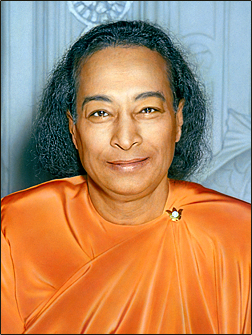
Harnessing Inner Energy: The Path to Creative Expression
Paramahansa Yogananda's exhortation to "conserve the vital inner forces and do not be wasteful with your energies" invites us to reflect on the significance of our inner resources. He urges us to channel our energies toward creative endeavors, suggesting that the way we manage our inner vitality directly influences our capacity for creativity and fulfillment. In a world that often encourages distraction and depletion, this wisdom serves as a reminder of the importance of intentionality in our pursuits.
In a society that frequently glorifies busyness and multitasking, Yogananda's words resonate deeply, challenging us to reconsider how we allocate our energies. The act of conserving our inner forces is not merely about restraint; it is about recognizing the sacredness of our creative potential. By focusing our energies on what truly matters, we can cultivate a life rich in purpose and creativity, ultimately leading to a more profound sense of satisfaction and connection to the world around us.
The image / the metaphor
The imagery in Yogananda's quote evokes a sense of stewardship over one's inner life. The term "conserve" suggests a careful management of resources, akin to tending to a garden where every seed planted has the potential to blossom into something beautiful. The verbs "conserve" and "channel" imply an active engagement with our inner energies, urging us to direct them purposefully rather than allowing them to dissipate in aimless pursuits. This felt sense of responsibility towards our inner vitality invites us to cultivate mindfulness in how we invest our energies.
Diving deeper into the metaphor, we can see that Yogananda's call to channel our energies toward creative efforts speaks to the transformative power of focused intention. Just as a river can carve out a canyon over time through persistent flow, our directed energies can shape our lives and the world around us. This metaphor of channeling suggests that creativity is not merely an act of spontaneous inspiration but a deliberate practice that requires us to harness our inner forces with clarity and purpose.
In the speaker's tradition
Within the context of Hindu philosophy, Yogananda's teaching aligns closely with the concept of dharma, which emphasizes living in accordance with one's true purpose. The conservation of inner forces can be seen as a form of spiritual discipline, akin to the practice of tapas, which involves austerity and self-control to cultivate inner strength. This notion of conserving energy resonates with the idea of kenosis, or self-emptying, where one relinquishes distractions to make space for divine creativity and inspiration.
Moreover, Yogananda's emphasis on channeling energies toward creativity can be likened to the practice of bhakti, or devotion, where the devotee channels their love and energy toward a higher purpose. In the Bhagavad Gita, Krishna advises Arjuna to act according to his dharma, emphasizing that focused action, rooted in inner clarity, leads to fulfillment. This connection underscores the importance of aligning our creative efforts with our deeper spiritual truths, allowing us to express our unique gifts in the world.
Living the teaching
Consider a modern scenario where this teaching can be applied: a professional grappling with burnout in a demanding job. By recognizing the need to conserve their inner energies, they might choose to set boundaries around their work hours, allowing time for creative pursuits that nourish their spirit. This intentional redirection of energy not only revitalizes their passion for their work but also enhances their overall well-being, illustrating how conserving inner forces can lead to a more balanced and fulfilling life.
In the realm of relationships, Yogananda's teaching can manifest in the way we engage with loved ones. When faced with conflict or emotional strain, one might reflect on how their energies are being spent—are they reacting impulsively or engaging thoughtfully? By conserving emotional energy and channeling it into constructive dialogue, individuals can foster deeper connections and understanding. This practice of mindful engagement not only enriches relationships but also cultivates a sense of shared creativity and growth.
A reflection
As we contemplate Yogananda's wisdom, we are invited to ask ourselves: "In what areas of my life am I allowing my energies to dissipate, and how can I redirect them toward creative expression?" This question encourages a deep introspection that can illuminate the pathways to a more intentional and fulfilling existence. By recognizing the sacredness of our inner forces, we can begin to cultivate a life that honors our creativity and purpose.


