The Promise of Tomorrow: Embracing Hope in the Face of Failure
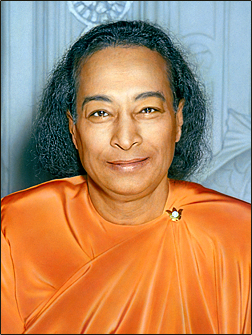
Paramahansa Yogananda's quote, "Do not think of today's failures, but of the success that may come tomorrow," invites us to shift our focus from the disappointments of the present to the possibilities of the future. In a world often preoccupied with immediate results, this perspective becomes a beacon of hope, urging us to cultivate resilience and optimism. The stakes are high; our ability to envision a brighter tomorrow can profoundly influence our actions today and shape our journey through life.
Yogananda's wisdom resonates deeply in a culture that frequently equates self-worth with success and achievement. By encouraging us to look beyond our current setbacks, he offers a path to inner peace and growth. This teaching is not merely about positive thinking; it is a profound invitation to engage with the unfolding nature of life, where each failure can serve as a stepping stone toward future triumphs. In this light, we are reminded that our present circumstances do not define us; rather, they are part of a larger tapestry of experiences that contribute to our evolution.
The image / the metaphor
The imagery in Yogananda's quote evokes a sense of movement and transition. The verbs "think" and "come" suggest a dynamic process, where our thoughts can either anchor us in the past or propel us toward the future. The contrast between "today's failures" and "the success that may come tomorrow" paints a vivid picture of the human experience, where moments of despair can coexist with the promise of hope. This duality invites us to embrace the complexity of our journey, recognizing that each setback carries the potential for growth and renewal.
Diving deeper into the metaphor, we find that Yogananda is not merely asking us to ignore our failures but to reframe our relationship with them. Failures, in this context, become teachers rather than adversaries. They are integral to the process of self-discovery and transformation, guiding us toward a more profound understanding of our purpose and potential. This perspective encourages us to cultivate a mindset that sees beyond the immediate horizon, fostering a sense of anticipation for what lies ahead.
In the speaker's tradition
Within the framework of Hindu philosophy, Yogananda's teaching aligns closely with the concept of dharma, or one's righteous path. By focusing on future successes rather than present failures, we engage with our dharma, which calls us to act with integrity and purpose, regardless of the obstacles we face. This perspective is also reminiscent of the idea of bhakti, or devotion, where the heart remains open to the divine possibilities that life presents, even amidst challenges. In this light, Yogananda's quote becomes a call to trust in the unfolding of our spiritual journey.
Moreover, this teaching echoes the principles found in the Bhagavad Gita, where Lord Krishna advises Arjuna to perform his duty without attachment to the results. The Gita emphasizes the importance of perseverance and the understanding that success and failure are transient states. By embodying this wisdom, we can cultivate a deeper sense of equanimity, allowing us to navigate the ups and downs of life with grace and resilience.
Living the teaching
Consider a modern scenario where this teaching can be applied: a young professional facing repeated setbacks in their career. Each rejection letter or missed opportunity can feel like a personal failure, leading to discouragement and self-doubt. However, by embracing Yogananda's perspective, this individual can shift their focus from the disappointments of today to the potential opportunities that tomorrow may bring. This shift in mindset can inspire them to continue honing their skills, networking, and seeking new paths, ultimately leading to a breakthrough that aligns with their true calling.
This teaching can also find resonance in personal relationships. Imagine a couple navigating a difficult phase, where misunderstandings and conflicts seem to overshadow their connection. By choosing to focus on the love and potential for growth in their relationship, rather than dwelling on past arguments, they can foster an environment of healing and understanding. This conscious choice to look toward a hopeful future can transform their interactions, allowing them to build a stronger bond rooted in compassion and shared aspirations.
A reflection
As we contemplate Yogananda's profound words, we are invited to reflect on our own lives: What failures have we been holding onto that may be clouding our vision of future possibilities? In what ways can we cultivate a mindset of hope and perseverance, allowing ourselves to embrace the unknown with open hearts? These questions serve as a gentle reminder that our journey is not defined by our setbacks but by our capacity to envision and strive for a brighter tomorrow.


