The Freedom Found in Surrender
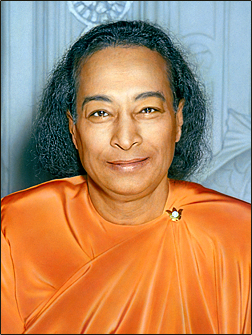
Paramahansa Yogananda invites us into a profound state of being with his assertion: "Give everything to God. Sacrifice all your desires. Leave everything to Him. Then there is nothing to worry about." In essence, he speaks to the transformative power of surrendering our will and desires to a higher purpose. This teaching resonates deeply in a world often fraught with anxiety and uncertainty, where the weight of our personal desires can feel overwhelming. By relinquishing control and trusting in a divine presence, we can find a path to inner peace and liberation.
To surrender is not merely to relinquish our desires but to engage in a radical act of trust. Yogananda's words challenge us to confront the very nature of our worries, which often stem from our attachment to outcomes and our incessant striving for control. In a culture that prizes individualism and self-determination, the idea of giving everything to God may seem counterintuitive. Yet, it is precisely in this act of letting go that we can discover a deeper connection to the divine and a more profound sense of freedom.
The image / the metaphor
The imagery in Yogananda's quote evokes a sense of totality and completeness. The verbs "give," "sacrifice," and "leave" suggest an active engagement in the process of surrender. To "give everything" implies a relinquishing of not just material possessions but also emotional burdens and mental preoccupations. The act of sacrifice is not one of loss but rather a transformative exchange, where our desires are offered up to a greater purpose. This felt sense of surrender can be likened to a river flowing into the ocean, merging with something vast and boundless.
Diving deeper into the metaphor, we can see that surrender is not an act of defeat but a courageous choice to trust in the divine flow of life. It is an invitation to release the illusion of control and embrace the unknown. In this way, Yogananda's teaching becomes a pathway to liberation, where the burdens of worry dissipate in the light of faith. The metaphor of surrender as a river flowing into the ocean reminds us that our individual desires, when surrendered, contribute to a larger tapestry of existence, enriching both our lives and the lives of others.
In the speaker's tradition
Paramahansa Yogananda's teachings are deeply rooted in the Hindu tradition, where concepts such as dharma, bhakti, and prajna illuminate the path of surrender. Dharma, or one's righteous duty, encourages individuals to align their actions with a higher purpose, often leading to a natural relinquishing of personal desires. Bhakti, the path of devotion, emphasizes surrendering to God as an expression of love and trust. In this context, Yogananda's call to sacrifice desires becomes an act of devotion, a way to cultivate a deeper relationship with the divine.
In the Bhagavad Gita, a foundational text of Hindu philosophy, Lord Krishna advises Arjuna to surrender all actions to Him, reinforcing the idea that true freedom comes from relinquishing the ego's grip on desire. This theme of surrender is echoed throughout spiritual literature, where the act of letting go is seen as a means to attain enlightenment and inner peace. Yogananda's teachings resonate with these ancient texts, inviting us to explore the depths of surrender as a transformative spiritual practice.
Living the teaching
Consider a modern scenario where the pressures of work and personal life create a sense of overwhelm. A professional may find themselves constantly striving for success, feeling the weight of expectations and deadlines. In this context, Yogananda's teaching serves as a gentle reminder to pause and reflect. By consciously choosing to give everything to God, one can release the burdens of worry and anxiety, allowing for a more balanced and peaceful approach to life. This act of surrender can transform the experience of work from one of stress to one of purpose, where each task is approached with a sense of devotion rather than obligation.
A reflection
As we contemplate Yogananda's profound invitation to surrender, we are left with a contemplative question: What would it mean for you to give everything to God in your own life? Reflecting on this question can open pathways to understanding the areas where you may be holding on too tightly, whether to desires, worries, or expectations. In this exploration, may you find the courage to embrace surrender as a source of strength and liberation, allowing the divine to guide you toward a more peaceful existence.


