The Profound Simplicity of the Divine
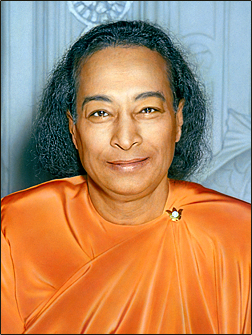
In the words of Paramahansa Yogananda, "God is simple. Everything else is complex." This statement invites us to reflect on the nature of divinity and the intricate layers of human experience. At its core, Yogananda suggests that the essence of God transcends the convoluted realities we navigate daily. Understanding this simplicity can illuminate our spiritual path, guiding us toward a deeper connection with the divine amidst the chaos of life.
To grasp the weight of Yogananda's assertion, we must consider the implications of simplicity in a world rife with complexity. The myriad distractions, emotions, and thoughts that fill our minds often obscure our perception of the divine. By recognizing God as fundamentally simple, we are encouraged to strip away the layers of our own complexities—our fears, desires, and misunderstandings—to reveal a more profound truth. This journey toward simplicity is not merely an intellectual exercise; it is a transformative process that can lead to spiritual awakening.
The image / the metaphor
Yogananda's quote evokes a striking contrast between the simplicity of God and the complexity of existence. The imagery of simplicity conjures a sense of clarity and purity, while complexity suggests entanglement and confusion. The choice of the word "is" in the phrase "God is simple" asserts a definitive truth about the nature of the divine, inviting us to explore what this simplicity entails. In contrast, the phrase "everything else is complex" serves as a reminder of the multifaceted nature of our lives, filled with competing thoughts and emotions that often lead us astray.
Diving deeper into the metaphor, we can see that simplicity does not imply a lack of depth or richness. Instead, it suggests a foundational truth that underlies all existence. Just as a clear sky can be obscured by clouds, the divine essence can be overshadowed by the complexities of life. By embracing the simplicity of God, we are encouraged to seek clarity and understanding, allowing the divine light to shine through the fog of our daily struggles.
In the speaker's tradition
Paramahansa Yogananda's teachings are rooted in the rich tradition of Hinduism, which emphasizes the pursuit of truth and the realization of the divine within. Concepts such as dharma, the moral order of the universe, and bhakti, the path of devotion, resonate deeply with Yogananda's assertion. In this context, the simplicity of God can be seen as an invitation to align our lives with our higher purpose, transcending the complexities that often distract us from our spiritual journey.
Moreover, Yogananda's teachings echo the Buddhist concept of sunyata, or emptiness, which suggests that the complexities of life are often illusions that obscure the true nature of reality. In the Bhagavad Gita, Krishna speaks of the eternal, unchanging essence of the self, which aligns with Yogananda's view of God as simple and pure. This connection invites us to explore the depths of our own being, recognizing that beneath the layers of complexity lies a profound simplicity that is inherently divine.
Living the teaching
Consider a modern scenario where the complexities of life weigh heavily on an individual. Perhaps a person is overwhelmed by work demands, family responsibilities, and societal expectations, leading to a sense of disconnection from their spiritual self. In this context, Yogananda's teaching serves as a gentle reminder to pause and reflect on the simplicity of God. By taking a moment to breathe and reconnect with the divine, one can find clarity and peace amidst the chaos, allowing the complexities of life to fall away in the light of divine simplicity.
In relationships, the teaching of simplicity can also be transformative. When conflicts arise, it is easy to become entangled in misunderstandings and emotional reactions. However, by remembering that God is simple, individuals can approach their interactions with a sense of humility and openness. This perspective encourages us to seek understanding rather than division, fostering deeper connections that reflect the divine simplicity at the heart of our existence.
A reflection
As we contemplate Yogananda's profound statement, we are invited to consider the layers of complexity that cloud our perception of the divine. What might it mean for us to embrace the simplicity of God in our daily lives? In moments of confusion or turmoil, how can we return to this fundamental truth and allow it to guide us toward clarity and peace? Reflecting on these questions can lead us to a deeper understanding of our spiritual journey and the divine presence that resides within us all.


