Effort and the Divine: A Journey of Seeking
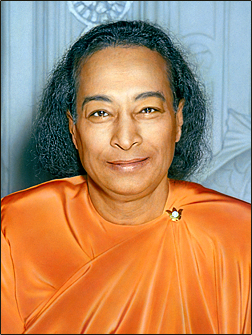
Paramahansa Yogananda's assertion, "God plus effort: that is the way to find Him," encapsulates a profound truth about the spiritual journey. It suggests that the divine presence is not merely a passive experience but requires active engagement and sincere effort from the seeker. This notion invites us to reflect on the nature of our pursuit of the divine and the role that our own actions play in this sacred quest. Understanding this relationship between effort and divine connection is essential for anyone seeking a deeper spiritual life.
In a world often characterized by distractions and superficial pursuits, Yogananda's words serve as a reminder that the search for God is both a personal and transformative endeavor. It challenges us to consider how much we are willing to invest in our spiritual growth and the ways in which our efforts can lead us closer to the divine. This quote resonates deeply within the context of Hindu philosophy, where the interplay of human effort and divine grace is a central theme, urging us to cultivate a sincere and dedicated practice in our quest for spiritual fulfillment.
The image / the metaphor
The phrase "God plus effort" evokes a vivid image of a partnership between the seeker and the divine. The word "plus" signifies an additive relationship, suggesting that while God is ever-present, our own efforts are necessary to bridge the gap between the mundane and the sacred. The use of the word "effort" implies a dynamic process, one that requires intention, dedication, and perseverance. This imagery invites us to envision our spiritual journey as an active pursuit, where we are not merely passive recipients of divine grace but engaged participants in the unfolding of our own spiritual destiny.
Diving deeper into the metaphor, we can see that effort in this context is not merely about physical actions or rituals; it encompasses a holistic approach to spiritual practice. It includes the cultivation of virtues such as devotion, mindfulness, and self-discipline. Yogananda's quote suggests that the path to God is paved with our sincere endeavors, whether through meditation, selfless service, or the pursuit of knowledge. This metaphorical framework encourages us to recognize that our spiritual journey is a co-creative process, where our efforts are essential in manifesting the divine presence in our lives.
In the speaker's tradition
Paramahansa Yogananda's teachings are deeply rooted in the rich tapestry of Hindu philosophy, where concepts such as dharma, bhakti, and prajna play pivotal roles in the spiritual journey. Dharma, or righteous duty, emphasizes the importance of aligning our actions with our higher purpose, while bhakti, the path of devotion, highlights the emotional and relational aspects of seeking God. Yogananda's emphasis on effort resonates with these concepts, suggesting that our commitment to our dharma and our heartfelt devotion are integral to experiencing the divine. The interplay of these elements creates a holistic approach to spirituality that encourages seekers to engage fully with their inner and outer worlds.
In the Bhagavad Gita, a foundational text in Hindu philosophy, Lord Krishna speaks to Arjuna about the importance of action and duty in the pursuit of spiritual realization. Krishna emphasizes that one must perform their duty without attachment to the fruits of their actions, a teaching that aligns beautifully with Yogananda's assertion. This connection underscores the idea that while divine grace is essential, our efforts and intentions are equally significant in the journey toward self-realization and union with the divine.
Living the teaching
Consider a modern scenario where this teaching can be applied: a person grappling with a sense of disconnection from their spiritual life. They may feel overwhelmed by the demands of daily life, leading to a sense of stagnation in their spiritual practice. By embracing Yogananda's teaching, they can recognize that their effort—whether through setting aside time for meditation, engaging in community service, or studying spiritual texts—can rekindle their connection to the divine. This realization transforms their approach, allowing them to see that their active participation is essential in nurturing their spiritual growth.
Another application of this teaching might arise in the context of relationships. Imagine a couple facing challenges in their communication and emotional connection. By applying the principle of "God plus effort," they can recognize that their relationship requires intentional effort to cultivate understanding, compassion, and love. This might involve setting aside time for open dialogue, practicing active listening, or engaging in shared spiritual practices. In this way, the couple can deepen their bond and invite a sense of the divine into their relationship, illustrating how effort can manifest in various aspects of life.
A reflection
As we contemplate Yogananda's insightful quote, we are invited to reflect on our own spiritual journeys. How are we currently engaging with the divine, and what efforts are we making to deepen that connection? This question encourages us to examine our practices, intentions, and the sincerity of our pursuit. In recognizing the interplay between our efforts and the divine, we may find new pathways to explore, leading us closer to the sacred presence that permeates our lives.


