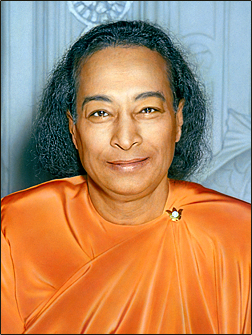
The Infinite Embrace of Divine Presence
Paramahansa Yogananda's assertion, "If you have God, you have everything. Make the effort to have Him," invites us into a profound exploration of the relationship between the seeker and the divine. This statement encapsulates the essence of spiritual fulfillment, suggesting that the pursuit of God is not merely an abstract endeavor but a tangible journey that yields the ultimate reward. In a world often characterized by material pursuits and transient pleasures, this quote serves as a reminder of the deeper, more enduring source of joy and contentment that lies in divine connection.
To truly grasp the weight of Yogananda's words, we must consider the implications of effort in our spiritual lives. The phrase "make the effort" underscores the active role we must take in cultivating our relationship with the divine. It is not enough to passively await spiritual experiences; rather, we are called to engage in practices that foster this connection. This effort is not a burden but a sacred invitation to explore the depths of our being and the vastness of the divine, ultimately leading us to a state of wholeness and fulfillment.
The image / the metaphor
The imagery in Yogananda's quote evokes a sense of completeness that comes from divine union. The phrase "if you have God, you have everything" suggests that the presence of the divine encompasses all that we seek—love, peace, joy, and purpose. The choice of the verb "make" emphasizes action, indicating that this relationship requires intentionality and commitment. It paints a picture of a seeker reaching out, striving to grasp the infinite, and in doing so, discovering that the essence of everything they desire is already within reach.
Diving deeper into the metaphor, we can see that Yogananda's words reflect the idea that God is not a distant entity but an intimate presence that permeates our lives. The effort to "have Him" implies a journey of self-discovery, where the seeker learns to recognize the divine within themselves and in the world around them. This metaphorical embrace of God suggests that fulfillment is not found in external circumstances but in the realization of our inherent connection to the divine source, which is always available to us.
In the speaker's tradition
Yogananda's teachings are deeply rooted in the tradition of Hinduism, particularly in the concepts of bhakti and self-realization. Bhakti, or devotion, emphasizes the importance of cultivating a loving relationship with God, which aligns seamlessly with the notion of making an effort to connect with the divine. This devotion is not passive; it requires dedication, practice, and a heart open to divine grace. The journey of bhakti is one of surrender and love, where the seeker learns to see God in all aspects of life, ultimately leading to a profound sense of fulfillment.
In the context of Yogananda's teachings, we can draw parallels to the Bhagavad Gita, where Krishna encourages Arjuna to engage in selfless action as a means of realizing the divine. The Gita speaks of the importance of dharma, or righteous duty, which resonates with Yogananda's call to make an effort. By fulfilling our responsibilities with a sense of devotion and awareness of the divine, we align ourselves with a higher purpose, thus experiencing the fullness of life that Yogananda describes.
Living the teaching
Consider a modern scenario where this teaching can be applied: a person feeling unfulfilled in their career may find themselves caught in a cycle of dissatisfaction and longing for something more. By embracing Yogananda's message, they might begin to explore how their work can be a form of service, a way to express their unique gifts in the world. This shift in perspective transforms their daily tasks into opportunities for divine connection, allowing them to experience fulfillment not through external validation but through the joy of contributing to something greater than themselves.
In the realm of relationships, the effort to "have God" can manifest as a commitment to love and understanding. In moments of conflict or misunderstanding, one might pause to reflect on the divine presence within themselves and their partner. By approaching the relationship with a sense of reverence and a desire to connect on a deeper level, they can cultivate a space of compassion and healing. This practice not only enriches their bond but also serves as a reminder that the divine is present in every interaction, urging them to embody love and understanding.
A reflection
As we contemplate Yogananda's profound statement, we are invited to reflect on our own spiritual journeys. What does it mean for you to "have God" in your life? In what ways can you make the effort to deepen your connection with the divine? This inquiry encourages us to examine our priorities and the actions we take daily, guiding us toward a more fulfilling and spiritually enriched existence.


