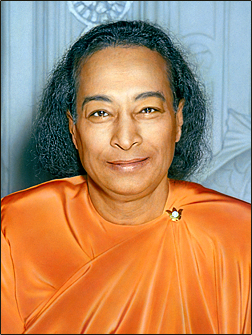
The Infinite Power Within: Embracing Ease Through Meditation
Paramahansa Yogananda's assertion that "in meditation, one becomes aware of the infinity of his potential power" invites us to explore the profound depths of our inner selves. He suggests that through the practice of meditation, we can tap into an expansive reservoir of strength and capability that often lies dormant within us. This realization not only transforms our understanding of personal power but also reshapes how we approach the mundane tasks of daily life, allowing them to unfold with a newfound grace and ease.
In a world that often equates busyness with productivity, Yogananda's words serve as a gentle reminder of the importance of stillness and introspection. The act of meditating becomes a portal through which we can access our true potential, revealing that the challenges we face are not insurmountable. Instead, they can be approached with a sense of calm and confidence, as we learn to harness the power that resides within us. This journey toward self-discovery and empowerment is not merely an individual endeavor; it is a collective awakening to the ease that can permeate our lives when we align with our authentic selves.
The image / the metaphor
Yogananda's quote is rich with imagery that evokes a sense of boundless potential. The phrase "infinity of his potential power" conjures visions of vast landscapes, uncharted territories, and limitless horizons. The verbs "becomes aware" and "discovered" suggest a journey of awakening, a gradual unveiling of the layers that obscure our innate capabilities. This imagery invites us to consider the transformative nature of meditation, where the ordinary becomes extraordinary through the lens of heightened awareness.
Diving deeper into the metaphor, we can see that the "ordinary tasks of life" represent the daily challenges and responsibilities that often weigh us down. Yogananda implies that these tasks, when approached from a place of inner strength and clarity, can be accomplished with "great ease." This shift in perspective is akin to viewing a mountain not as an obstacle but as an opportunity for growth and exploration. The metaphor speaks to the alchemical process of turning the lead of our struggles into the gold of effortless action, highlighting the profound connection between our inner state and our external experiences.
In the speaker's tradition
Paramahansa Yogananda's teachings are deeply rooted in the rich tradition of Hinduism, particularly the principles of self-realization and the pursuit of dharma. The concept of dharma, or one's duty and purpose in life, is intricately linked to the realization of one's potential power. In this context, meditation serves as a vital practice that aligns us with our true path, allowing us to fulfill our responsibilities with grace and ease. The idea of kenosis, or self-emptying, resonates here as well; by letting go of our preconceived notions of power and control, we open ourselves to the infinite possibilities that lie within.
Moreover, Yogananda's emphasis on meditation can be paralleled with the Buddhist concept of sunyata, or emptiness, which encourages practitioners to recognize the transient nature of thoughts and emotions. Just as sunyata invites us to see beyond the illusions of the self, Yogananda's teachings guide us toward a deeper understanding of our inherent strength. In his seminal work, "Autobiography of a Yogi," he illustrates the transformative power of meditation, emphasizing that through this practice, we can transcend the limitations of the ego and access the divine potential that resides within each of us.
Living the teaching
Consider a modern scenario where the pressures of work and personal obligations seem overwhelming. In such moments, the practice of meditation can serve as a sanctuary, allowing individuals to step back from the chaos and reconnect with their inner selves. By dedicating time to meditate, one can cultivate a sense of calm and clarity that transforms how they approach their tasks. The realization of one's potential power during meditation can lead to a more efficient and effective handling of responsibilities, turning what once felt burdensome into a series of manageable actions.
In the realm of relationships, Yogananda's teaching can also be applied to navigate conflicts and misunderstandings. When faced with a difficult conversation, taking a moment to meditate can help individuals access their inner strength and compassion. This practice fosters a sense of ease, allowing them to engage with others from a place of understanding rather than reactivity. By embodying the power discovered through meditation, one can approach relationships with a renewed sense of purpose and connection, transforming potential discord into opportunities for growth and harmony.
A reflection
As we contemplate Yogananda's profound insight, we are invited to reflect on our own experiences with meditation and the potential power that lies within us. How often do we allow ourselves to tap into this reservoir of strength, and in what ways can we cultivate a deeper awareness of our capabilities? Consider this contemplative question: What ordinary task in your life could be approached with greater ease if you fully embraced the power of your inner self?


