The Inner Kingdom: Mastery Through Meditation
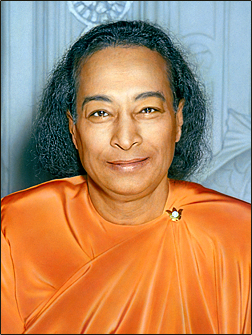
Paramahansa Yogananda's quote, "In sleep you are a king without subjects. In waking you are a king beset by unruly subjects. In meditation you are a king on your throne, the sole ruler of your inner kingdom," invites us to explore the profound contrasts between our states of consciousness. In sleep, we experience a temporary escape from the chaos of life, yet this state lacks the awareness necessary for true mastery. Awakening brings with it the tumult of thoughts and emotions, often overwhelming our sense of self. However, in meditation, we find a sanctuary where we can reclaim our sovereignty, becoming the true rulers of our inner landscape.
This quote speaks to the essence of self-mastery and the journey toward inner peace. Yogananda's words remind us that while the external world can often feel chaotic and demanding, there exists a realm within us where we can cultivate clarity and control. The metaphor of kingship serves to illustrate our potential to govern our thoughts and emotions, transforming our inner kingdom into a space of harmony and wisdom. In this exploration, we are called to recognize the power of meditation as a tool for achieving this mastery.
The image / the metaphor
The imagery in Yogananda's quote is rich and evocative, painting a vivid picture of the different states of consciousness we experience. In sleep, we are likened to a king who reigns over an empty realm, devoid of subjects to govern. This state, while peaceful, lacks the engagement necessary for growth and understanding. In contrast, waking life presents us with a kingdom filled with unruly subjects—our thoughts, desires, and fears—that vie for our attention and often lead to confusion and distraction. Yet, in meditation, we are depicted as a king on a throne, embodying a sense of authority and clarity. This imagery invites us to consider the nature of our inner governance and the importance of cultivating a peaceful mind.
Diving deeper into the metaphor, we can see that the throne represents a place of power and stability, where the king—our true self—can observe and manage the chaos of the mind. The unruly subjects symbolize the myriad distractions and emotional upheavals that arise in our daily lives. Meditation serves as the practice through which we can establish order and harmony within this inner kingdom. By sitting in stillness, we learn to navigate the tumultuous waters of our thoughts and emotions, ultimately reclaiming our rightful place as sovereigns of our inner world.
In the speaker's tradition
Paramahansa Yogananda's teachings are deeply rooted in the spiritual tradition of Hinduism, which emphasizes the importance of self-realization and inner mastery. Concepts such as dharma, or one's righteous duty, and prajna, the wisdom that arises from deep contemplation, are integral to understanding the journey toward self-governance. In this context, meditation is not merely a practice but a pathway to realizing our true nature, allowing us to transcend the chaos of the mind and align with our higher purpose. The notion of kenosis, or self-emptying, also resonates here, as we learn to let go of our attachments and distractions, creating space for deeper insight and clarity.
Yogananda's teachings echo the sentiments found in ancient texts such as the Bhagavad Gita, where the importance of self-mastery and inner peace is emphasized. In this sacred dialogue, Lord Krishna imparts wisdom to Arjuna, guiding him to understand the nature of the self and the importance of maintaining equanimity amidst life's challenges. Similarly, Yogananda encourages us to cultivate a meditative practice that allows us to connect with our true essence, ultimately leading to a harmonious existence both within and without.
Living the teaching
Consider a modern scenario where the teachings of Yogananda can be applied: a busy professional navigating the demands of work and personal life. Each day, the individual may feel like a king beset by unruly subjects—emails, meetings, and personal obligations that pull them in multiple directions. In this context, the practice of meditation becomes a vital tool for reclaiming focus and clarity. By dedicating time each day to sit in stillness, the individual can cultivate a sense of inner peace, allowing them to approach their responsibilities with renewed energy and purpose.
Another application of this teaching can be found in interpersonal relationships. Imagine a moment of conflict with a loved one, where emotions run high and communication breaks down. In such instances, the chaos of the mind can cloud judgment and escalate tensions. By turning to meditation, one can create a space to reflect and regain composure, ultimately returning to the conversation with a clearer perspective. This practice not only fosters self-mastery but also enhances the quality of relationships, allowing for deeper understanding and connection.
A reflection
As we contemplate Yogananda's profound words, we are invited to reflect on our own inner kingdoms. How often do we find ourselves overwhelmed by the unruly subjects of our thoughts and emotions? In what ways can we cultivate a practice of meditation to reclaim our sovereignty and establish harmony within? These questions serve as a gentle reminder of the transformative power of stillness and the importance of nurturing our inner landscape.


