The Inner Sanctuary of Happiness
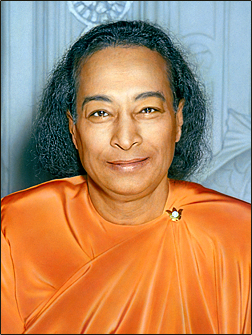
Paramahansa Yogananda's assertion that "inner happiness is not dependent on what happens to you; it depends on what happens in you" invites us to explore the profound distinction between external circumstances and internal states of being. In a world often preoccupied with external validation and material success, this quote serves as a gentle reminder that true contentment arises from within. The stakes of this understanding are high; recognizing that our happiness is not contingent upon the whims of fate liberates us from the cycle of dependency and disappointment.
Delving deeper into Yogananda's wisdom, we find an invitation to cultivate an inner life rich with self-awareness and emotional resilience. This perspective shifts the focus from the transient nature of external events to the enduring qualities of our inner landscape. By understanding that our emotional well-being is a product of our inner processes, we can begin to nurture a sense of peace and joy that remains steadfast, regardless of the challenges we face in the outer world.
The image / the metaphor
At the heart of Yogananda's quote lies a vivid metaphorical landscape. The phrase "what happens in you" evokes a sense of an inner garden, where thoughts, emotions, and spiritual practices cultivate the soil of our happiness. The verbs "dependent" and "happens" suggest a dynamic interplay; happiness is not a static state but a living, breathing experience shaped by our inner choices and perceptions. This imagery invites us to consider how we tend to our inner garden, nurturing the seeds of joy and uprooting the weeds of negativity.
Going deeper, the metaphor of an inner garden also speaks to the idea of cultivation and care. Just as a garden requires attention, patience, and the right conditions to flourish, so too does our inner happiness demand intentionality. The act of turning inward, of reflecting on our thoughts and feelings, becomes a sacred practice that allows us to align our inner state with the essence of joy. In this light, happiness transforms from a fleeting emotion into a cultivated state of being, rooted in self-awareness and mindfulness.
In the speaker's tradition
Paramahansa Yogananda's teachings are deeply embedded in the rich tapestry of Hindu philosophy, where concepts such as dharma, the moral order of the universe, and bhakti, the path of devotion, illuminate the journey toward inner happiness. Yogananda emphasizes that true fulfillment arises from aligning oneself with one's dharma, which encourages individuals to look inward for guidance and purpose. This inward journey resonates with the notion of kenosis, or self-emptying, where one relinquishes the ego's demands to discover the deeper self that is inherently joyful and connected to the divine.
In the context of sacred texts, Yogananda's insights echo the teachings found in the Bhagavad Gita, where Krishna instructs Arjuna on the importance of inner equanimity amidst the chaos of life. The Gita emphasizes that one's inner state, cultivated through selfless action and devotion, ultimately determines one's experience of happiness. This alignment with the divine, or prajna, the wisdom that arises from deep contemplation, reinforces Yogananda's assertion that our happiness is a reflection of our inner reality rather than external circumstances.
Living the teaching
Consider a modern scenario where this teaching resonates profoundly: a professional facing unexpected job loss. In such a moment, the external world may seem chaotic and uncertain, yet the individual has the opportunity to turn inward, reflecting on their values, strengths, and aspirations. By cultivating an inner sense of stability and purpose, they can navigate this transition with grace, discovering new avenues for growth and fulfillment that may not have been visible before. This process illustrates how inner happiness can serve as an anchor amidst life's storms.
Another application of Yogananda's teaching can be found in relationships, particularly during moments of conflict. When disagreements arise, it is easy to become fixated on external behaviors and reactions. However, by focusing on what happens within—our responses, emotions, and intentions—we can foster a deeper understanding and compassion for ourselves and others. This shift in perspective allows for healing and connection, reinforcing the idea that our inner state shapes our interactions and experiences with those around us.
A reflection
As we contemplate Yogananda's profound insight, we are invited to ask ourselves: "What inner practices can I cultivate to nurture my happiness, regardless of external circumstances?" This question encourages a journey inward, prompting us to explore the thoughts, beliefs, and habits that shape our emotional landscape. By engaging with this inquiry, we can begin to uncover the pathways to a more resilient and enduring sense of joy, rooted in the depths of our being.


