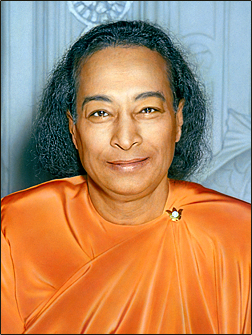
The Urgency of Stillness: Embracing the Call to Meditate
Paramahansa Yogananda's exhortation, "Meditate. Do not delay — the longer you wait to begin, the harder it becomes," serves as a poignant reminder of the importance of immediate action in our spiritual journeys. This call to meditation is not merely a suggestion; it is a profound invitation to engage with the depths of our being. The stakes are high: delay can lead to a disconnection from our inner selves, making the path to stillness increasingly elusive. In a world filled with distractions, the urgency of this message resonates deeply, urging us to prioritize our spiritual practice.
As we delve into Yogananda's wisdom, we recognize that meditation is not just a practice but a lifeline to our true essence. The longer we postpone this sacred engagement, the more we risk becoming entangled in the chaos of daily life. This quote encapsulates a universal truth about the nature of discipline and the human tendency to procrastinate. By understanding the significance of this moment, we can cultivate a deeper commitment to our spiritual growth, embracing the transformative power of meditation without hesitation.
The image / the metaphor
The imagery in Yogananda's quote is striking in its simplicity yet profound in its implications. The verb "meditate" commands attention, suggesting an active engagement rather than a passive state. The phrase "do not delay" evokes a sense of urgency, as if the very act of postponement carries weighty consequences. This urgency is further emphasized by the notion that the longer we wait, the more challenging the journey becomes. The metaphor of a path that grows steeper with delay invites us to consider the obstacles we create through inaction.
Diving deeper into this metaphor, we can envision meditation as a wellspring of clarity and peace that becomes increasingly obscured by the layers of distraction and doubt we accumulate over time. Each moment of delay adds sediment to the surface of our consciousness, making it harder to access the still waters beneath. Yogananda's words remind us that the journey inward is not just about finding stillness; it is about overcoming the inertia of our own minds. The urgency he speaks of is not merely a call to action but a recognition of the preciousness of time in our spiritual pursuits.
In the speaker's tradition
Paramahansa Yogananda's teachings are deeply rooted in the rich tradition of Hinduism, which emphasizes the importance of meditation as a means of realizing one's true self. Concepts such as dharma, the moral order of the universe, and prajna, or wisdom, are integral to understanding the context of his message. In this framework, meditation serves as a pathway to align with one's dharma, fostering a deeper understanding of our purpose and place in the cosmos. The urgency to meditate can be seen as a call to fulfill our dharma, to engage with the divine within us, and to cultivate the wisdom necessary for navigating life's complexities.
Yogananda's emphasis on meditation also resonates with the teachings found in ancient texts such as the Bhagavad Gita, where the practice of yoga is presented as a means to attain self-realization. In Chapter 6, Krishna speaks of the disciplined yogi who, through consistent practice, achieves mastery over the mind. This echoes Yogananda's assertion that delay in meditation not only hinders our spiritual progress but also distances us from the divine connection that lies at the heart of our existence. The urgency to meditate is thus intertwined with the timeless wisdom of the Gita, urging us to embrace our spiritual path with dedication and immediacy.
Living the teaching
Consider a modern scenario where the urgency of Yogananda's teaching becomes palpable: a busy professional juggling work, family, and personal commitments. Each day, the intention to meditate is overshadowed by the demands of life, leading to a cycle of postponement. This individual may find themselves increasingly stressed, their mental clarity clouded by the chaos of daily responsibilities. In this context, Yogananda's words serve as a wake-up call, highlighting the necessity of carving out time for meditation amidst the busyness. By prioritizing this practice, they can reclaim their sense of peace and clarity, breaking free from the cycle of delay.
In another application, consider a relationship strained by misunderstandings and unspoken emotions. Here, the urgency to meditate can manifest as a need for self-reflection and emotional processing. By engaging in meditation, individuals can cultivate a deeper understanding of their feelings and reactions, allowing them to approach their partner with greater compassion and clarity. This practice not only enhances personal insight but also fosters healthier communication, illustrating how the discipline of meditation can transform not just the self but also the dynamics of our relationships. Yogananda's call to meditate becomes a guiding principle, encouraging us to address the challenges of life with a centered and mindful approach.
A reflection
As we reflect on Yogananda's profound invitation to meditate without delay, we are left with a contemplative question: What is holding me back from embracing the stillness within? This inquiry invites us to explore the barriers we construct—be they fear, distraction, or doubt—that prevent us from engaging in the transformative practice of meditation. By examining these obstacles, we can begin to dismantle them, allowing the urgency of Yogananda's message to resonate deeply within our hearts and guide us toward a more intentional and fulfilling spiritual journey.


