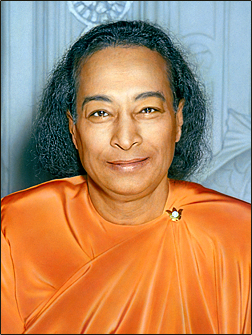
The Magnetic Pull of Desire: A Contemplation on Meditation
Paramahansa Yogananda's assertion that "Meditation is a divine magnetic means of drawing to yourself everything that you righteously desire" invites us to explore the profound relationship between our inner states and the external realities we manifest. In essence, Yogananda suggests that through the practice of meditation, we can align ourselves with our highest aspirations and intentions. This alignment is not merely about wishful thinking; it is a call to engage deeply with our spiritual essence, allowing our true desires to resonate with the universe.
Understanding this quote requires us to delve into the nature of desire itself. Yogananda emphasizes the righteousness of our desires, implying that not all desires are created equal. The distinction between selfish cravings and noble aspirations is crucial. When we meditate, we cultivate clarity and discernment, enabling us to identify and pursue those desires that are in harmony with our higher selves and the greater good. This process of discernment is essential in a world often clouded by distractions and superficial wants.
The image / the metaphor
The imagery of meditation as a "divine magnetic means" evokes a sense of attraction and connection. The word "magnetic" suggests a force that draws in what is aligned with our true nature, while "divine" elevates this process to a spiritual plane. Meditation, then, becomes a conduit through which we can attract not just material possessions but also deeper states of being—peace, love, and fulfillment. The verbs "drawing" and "desire" imply an active engagement with the universe, where our intentions are not passive wishes but dynamic forces that shape our reality.
Diving deeper into the metaphor, we can see that this magnetic quality of meditation is rooted in the principles of energy and vibration. Just as magnets attract certain metals, our focused intentions during meditation resonate with similar energies in the universe. This resonance creates a harmonious alignment that facilitates the manifestation of our righteous desires. The practice of meditation, therefore, is not merely a retreat from the world but an active engagement with it, where we become co-creators of our reality through the purity of our intentions.
In the speaker's tradition
Paramahansa Yogananda's teachings are deeply embedded in the rich tapestry of Hindu philosophy, where concepts such as dharma, the righteous path, and bhakti, the devotion to the divine, play pivotal roles. In this context, meditation serves as a means to align with one's dharma, allowing individuals to discern their true purpose and desires. The practice of meditation cultivates a state of kenosis, or self-emptying, where the ego's desires are surrendered to a higher will, enabling a clearer connection to divine guidance.
In the Bhagavad Gita, a foundational text of Hinduism, Lord Krishna advises Arjuna to act according to his dharma without attachment to the fruits of his actions. This teaching resonates with Yogananda's perspective on righteous desire; it is not the desire itself that binds us, but the attachment to outcomes. By meditating and aligning our intentions with our higher selves, we can navigate our paths with grace and purpose, drawing to us what we truly need for our spiritual evolution.
Living the teaching
Consider a modern scenario where an individual is seeking a fulfilling career. In the hustle of daily life, it is easy to become ensnared by societal expectations or superficial ambitions. However, through the practice of meditation, one can cultivate a deeper understanding of their true passions and skills. This clarity allows them to pursue opportunities that resonate with their authentic self, drawing in not just a job, but a vocation that aligns with their higher purpose and brings joy.
In relationships, the application of Yogananda's teaching can be equally transformative. Imagine navigating a challenging interpersonal dynamic, where misunderstandings and conflicts seem to dominate. By engaging in meditation, one can cultivate compassion and empathy, allowing them to approach the relationship with a clearer mind and an open heart. This inner work can magnetically attract healing and understanding, fostering a deeper connection that honors both individuals' righteous desires for love and harmony.
A reflection
As we contemplate Yogananda's words, we are invited to reflect on the nature of our desires and the role of meditation in our lives. What are the desires that truly resonate with our higher selves, and how can we use meditation to clarify and amplify them? In this inquiry, we find an opportunity to deepen our practice and align our intentions with the divine flow of the universe, allowing us to draw forth the abundance that is our birthright.


