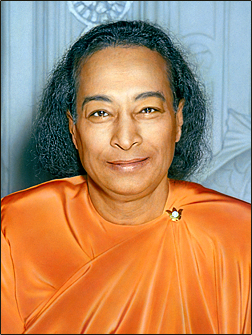
The Lost Art of Enjoyment
Paramahansa Yogananda's poignant observation, "People are so busy trying to enjoy themselves that they have lost the faculty of enjoyment," invites us to reflect on the paradox of modern existence. In our relentless pursuit of pleasure and distraction, we often overlook the simple joys that life offers. This quote serves as a gentle reminder that true enjoyment is not found in the frantic chase for experiences, but in the quiet presence of being fully engaged with the moment. Understanding this distinction is crucial for cultivating a deeper sense of fulfillment in our lives.
As we navigate a world filled with constant stimuli and superficial engagements, Yogananda's words resonate with an urgent call to return to the essence of enjoyment. The faculty of enjoyment, as he describes it, is an innate ability to appreciate life in its simplest forms. This ability is often overshadowed by our conditioned responses to seek external validation and gratification. By exploring the depths of this quote, we can uncover pathways to reconnect with our inner joy and rediscover the richness of our experiences.
The image / the metaphor
At first glance, Yogananda's quote paints a vivid picture of a society caught in a whirlwind of distractions. The imagery of people "busy trying to enjoy themselves" evokes a sense of frenetic energy, where the act of enjoyment becomes a task rather than a natural state of being. The choice of the word "lost" suggests a disconnection from something fundamental, as if enjoyment is a treasure buried beneath layers of busyness and noise. This metaphor speaks to the irony of our times: in our quest for enjoyment, we often overlook the very essence of what it means to truly savor life.
Diving deeper into the metaphor, we can see that Yogananda is not merely critiquing the superficiality of modern pleasures but is also illuminating a path back to authenticity. The "faculty of enjoyment" implies a skill, a way of perceiving the world that requires practice and mindfulness. It suggests that enjoyment is not a fleeting moment but a cultivated state of awareness, where we can find joy in the mundane and the extraordinary alike. This deeper understanding invites us to reconsider how we engage with our experiences and encourages us to slow down, breathe, and truly immerse ourselves in the present.
In the speaker's tradition
Paramahansa Yogananda's teachings are deeply rooted in the spiritual traditions of Hinduism, particularly in the concepts of dharma and bhakti. Dharma, or the path of righteousness, emphasizes living in alignment with one's true nature, which includes recognizing and nurturing our capacity for enjoyment. Bhakti, the path of devotion, encourages a heartfelt connection to the divine, often expressed through gratitude and appreciation for life's simple gifts. In this context, Yogananda's quote serves as a reminder that enjoyment is not merely a personal pursuit but a spiritual practice that aligns us with our higher selves.
In the Bhagavad Gita, a foundational text in Hindu philosophy, the idea of finding joy in one's duty and presence is echoed throughout its verses. Krishna teaches Arjuna about the importance of performing one's duty without attachment to the fruits of action, suggesting that true enjoyment arises from being fully engaged in the moment, regardless of the outcome. This aligns beautifully with Yogananda's assertion that the faculty of enjoyment is cultivated through presence and mindfulness, allowing us to experience life more deeply and authentically.
Living the teaching
Imagine a typical day where the demands of work, family, and social obligations pull you in multiple directions. In this scenario, you might find yourself rushing through meals, scrolling through social media during breaks, or multitasking during conversations. This frantic pace can lead to a sense of disconnection from the very experiences that could bring joy. By consciously choosing to slow down and savor each moment—whether it's enjoying a meal without distractions or engaging in a conversation with full presence—you begin to reclaim the faculty of enjoyment that Yogananda speaks of.
In relationships, this teaching can manifest in profound ways. Consider a moment of conflict with a loved one, where the urge to defend oneself or seek validation overshadows the opportunity for connection. By practicing mindfulness and choosing to listen deeply, you can transform the interaction into a space of genuine understanding and appreciation. This shift not only enhances the quality of your relationships but also nurtures your ability to find joy in the shared experience of being present with another person, fostering a deeper sense of connection and fulfillment.
A reflection
As we contemplate Yogananda's insightful words, we are invited to ask ourselves: "In what areas of my life am I seeking enjoyment, yet missing the essence of it?" This question encourages introspection and invites us to examine our daily habits and interactions. By reflecting on this inquiry, we can begin to uncover the layers of distraction that may be obscuring our ability to fully engage with the richness of life. In this exploration, we may find pathways to reconnect with the simple joys that surround us, allowing us to cultivate a more profound sense of enjoyment in our everyday experiences.


