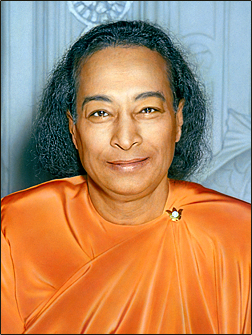
The Silence of Peace: A Pathway to Equanimity
Paramahansa Yogananda's assertion, "Remain always in the silence of peace, and you will never have any problems," invites us to explore the profound relationship between inner tranquility and the challenges we face in life. At its core, this quote suggests that by cultivating a deep, abiding peace within ourselves, we can navigate the complexities of existence with grace and resilience. The stakes are high; in a world rife with distractions and turmoil, the ability to remain anchored in peace can transform our experiences and relationships.
Delving deeper, Yogananda's words resonate with the timeless wisdom of spiritual traditions that emphasize the importance of silence and stillness. This silence is not merely the absence of noise but a rich, fertile ground where clarity, understanding, and compassion can flourish. In a society that often equates busyness with productivity, Yogananda's call to peace serves as a gentle reminder that true strength lies in our ability to retreat into the sanctuary of our inner selves, where we can confront our fears and uncertainties without being overwhelmed.
The image / the metaphor
The imagery in Yogananda's quote evokes a serene landscape, one where silence envelops us like a comforting blanket. The verb "remain" suggests a steadfastness, an invitation to dwell in this state of peace rather than merely visiting it momentarily. This notion of remaining implies a commitment to nurturing our inner landscape, allowing it to flourish even amidst external chaos. The phrase "silence of peace" conjures a sense of profound stillness that transcends mere quietude; it is a deep, abiding calm that resonates within our very being.
In the speaker's tradition
Paramahansa Yogananda's teachings are deeply rooted in the rich tapestry of Hindu philosophy, where concepts such as dharma, the moral order of the universe, and prajna, or wisdom, play pivotal roles. The idea of remaining in the silence of peace aligns closely with the practice of bhakti, or devotion, which encourages surrendering to a higher power and finding solace in that relationship. This surrender is akin to the concept of kenosis, the self-emptying of one's ego to allow for divine presence, fostering a state of equanimity that transcends worldly concerns.
In the Bhagavad Gita, a foundational text in Hinduism, we find echoes of Yogananda's message. The Gita teaches that true wisdom lies in maintaining equanimity in both success and failure, pleasure and pain. This alignment with the self, or Atman, allows one to navigate life's challenges with a sense of detachment and peace. Yogananda's emphasis on silence as a means to access this inner wisdom resonates with the Gita's call to find stillness amidst the storm of life.
Living the teaching
Consider a modern scenario where the teaching of remaining in the silence of peace can be applied: imagine a hectic workplace filled with deadlines and interpersonal conflicts. In such an environment, it is easy to become overwhelmed, reacting impulsively to stressors. However, by consciously taking a moment to breathe deeply and center oneself, one can tap into that inner silence. This practice not only alleviates immediate tension but also fosters a more thoughtful response to challenges, allowing for clearer communication and collaboration.
Another application of this teaching can be found in personal relationships, particularly during moments of conflict. When disagreements arise, the instinct may be to react defensively or to escalate tensions. Yet, if one can pause and return to the silence of peace within, it becomes possible to approach the situation with empathy and understanding. This shift in perspective can transform the nature of the conversation, leading to resolution rather than further discord. By embodying this principle, we cultivate healthier relationships and a more harmonious existence.
A reflection
As we contemplate Yogananda's profound invitation to remain in the silence of peace, we are called to reflect on our own lives. What practices can we adopt to cultivate this inner tranquility amidst the noise and chaos of daily existence? In seeking answers, we may discover pathways to deeper understanding and connection, both with ourselves and with the world around us.


