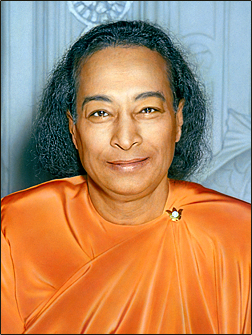
The Radiance of a Fearless Smile
Paramahansa Yogananda's assertion that "smiling away your troubles requires a clear conscience that allows no fear" invites us to explore the profound relationship between our internal state and our outward expressions. In essence, he suggests that a genuine smile—one that can dispel the shadows of our worries—emanates from a heart unburdened by guilt or fear. This insight is not merely a call to adopt a cheerful demeanor; it is a profound invitation to cultivate an inner clarity that aligns our conscience with our actions, allowing us to face life's challenges with grace and equanimity.
In a world often fraught with anxiety and uncertainty, Yogananda's words resonate deeply. They remind us that the ability to smile in the face of adversity is not a superficial act but a reflection of a deeper spiritual truth. When we possess a clear conscience, we are liberated from the shackles of fear that can cloud our judgment and distort our perceptions. This clarity empowers us to navigate life's complexities with a sense of peace, enabling us to smile authentically, even amidst turmoil.
The image / the metaphor
The imagery in Yogananda's quote is rich and evocative, conjuring the picture of a radiant smile that transcends the burdens of life. The act of "smiling away your troubles" suggests a dynamic interplay between our emotional state and our external expressions. The choice of the verb "smiling" implies an active engagement with our circumstances, a conscious decision to embrace joy despite the presence of difficulties. This smile is not merely a facial expression; it is a manifestation of an inner state of being, a reflection of a heart that has chosen to rise above its fears.
Diving deeper into the metaphor, we find that the "clear conscience" serves as the foundation for this radiant smile. It evokes the idea of purity and alignment with one's true self, suggesting that when we are at peace with our actions and intentions, we can face the world without trepidation. The absence of fear, then, becomes a powerful catalyst for joy, allowing us to engage with life’s challenges not as insurmountable obstacles but as opportunities for growth and transformation. In this light, Yogananda's quote becomes a call to cultivate an inner landscape that supports a joyful and fearless existence.
In the speaker's tradition
Paramahansa Yogananda's teachings are deeply rooted in the spiritual tradition of Hinduism, which emphasizes the importance of dharma, or righteous living, as a pathway to inner peace. The concept of a "clear conscience" aligns with the idea of living in accordance with one's true nature and purpose, free from the entanglements of guilt and fear. In this context, fearlessness is not merely the absence of fear but a profound state of being that arises from understanding one's place in the universe and the interconnectedness of all life. This understanding fosters a sense of bhakti, or devotion, which allows individuals to navigate their lives with grace and joy.
Yogananda's teachings can also be compared to the Buddhist concept of sunyata, or emptiness, which encourages the release of attachments and fears that cloud our perception. In texts such as the Bhagavad Gita, we find similar themes of acting without attachment to the fruits of our actions, which resonates with Yogananda's emphasis on maintaining a clear conscience. By aligning our actions with our higher selves and embracing a fearless heart, we can cultivate the inner clarity necessary to smile genuinely, regardless of external circumstances.
Living the teaching
Consider a modern scenario where this teaching finds relevance: a professional facing a challenging project at work. The weight of deadlines and expectations can often lead to stress and anxiety, clouding one's ability to approach the task with creativity and enthusiasm. However, if this individual takes a moment to reflect on their conscience—ensuring that their actions align with their values and intentions—they may find that the fear of failure dissipates. In this clarity, they can approach their work with a renewed sense of purpose, allowing their authentic smile to shine through, even in the face of challenges.
Another application of Yogananda's teaching can be found in personal relationships. Imagine a situation where misunderstandings have created tension between friends. By fostering a clear conscience—through honest communication and a willingness to forgive—individuals can dissolve the fears that inhibit genuine connection. In this space of openness, a smile can become a powerful tool for reconciliation, signaling a readiness to embrace vulnerability and foster deeper bonds. The act of smiling, then, becomes a bridge that connects hearts, transcending the barriers that fear often erects.
A reflection
As we contemplate Yogananda's profound insight, we are invited to reflect on our own lives: What fears or unresolved issues might be clouding our ability to smile genuinely? In what ways can we cultivate a clearer conscience that empowers us to face our troubles with grace? This contemplation encourages us to explore the depths of our inner landscape, seeking the clarity that allows our authentic selves to shine through, illuminating our path with the light of a fearless smile.


