The Stillness of a Sitting Cat: Embracing Calm in a Chaotic World
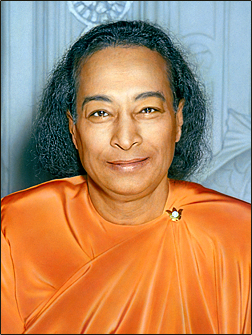
Paramahansa Yogananda's observation, "The ideal of calm exists in a sitting cat," invites us to reflect on the profound tranquility that can be found in nature, particularly in the seemingly simple act of a cat at rest. This quote serves as a reminder of the importance of cultivating inner peace amidst the tumult of daily life. In a world that often feels frenetic and overwhelming, the image of a calm cat encourages us to seek stillness and serenity within ourselves, suggesting that such a state is not only desirable but attainable.
Moreover, the quote subtly hints at the wisdom inherent in observing the natural world. Cats, with their graceful poise and effortless calm, embody a state of being that many of us aspire to achieve. By recognizing the calmness of a sitting cat, we are invited to explore the deeper layers of stillness and presence, prompting us to consider how we might integrate this quality into our own lives. The stakes are high: in our pursuit of peace, we may discover that the path to tranquility lies not in external circumstances but in our ability to cultivate an inner sanctuary.
The image / the metaphor
The imagery of a sitting cat conjures a vivid picture of serenity and poise. Cats are often seen lounging in sunbeams, their bodies relaxed and their eyes half-closed, embodying a state of contentment that seems to transcend the chaos around them. The choice of the word "sitting" is particularly significant; it implies a deliberate stillness, a conscious decision to be present in the moment. This stillness is not passive but rather an active engagement with the present, a state of being that invites us to pause and reflect.
Diving deeper into the metaphor, the sitting cat becomes a symbol of the calm that resides within us all, waiting to be acknowledged and embraced. Just as a cat instinctively knows when to rest and when to engage, we too can learn to navigate the ebb and flow of life with grace. The cat's calmness serves as a reminder that stillness is not merely the absence of activity but a profound state of awareness and acceptance. In this light, the quote encourages us to cultivate our own inner calm, allowing it to guide us through the challenges and uncertainties of life.
In the speaker's tradition
Paramahansa Yogananda, a key figure in the introduction of Eastern spirituality to the West, emphasized the importance of inner peace and self-realization in his teachings. Within the framework of Hindu philosophy, concepts such as dharma (righteous duty), prajna (wisdom), and bhakti (devotion) resonate with the essence of calmness. Yogananda's teachings often highlight the significance of meditation and self-awareness as pathways to achieving a state of inner tranquility, akin to the calmness of a sitting cat.
In the Bhagavad Gita, a foundational text in Hinduism, the idea of equanimity is beautifully articulated. Krishna advises Arjuna to maintain a balanced mind in the face of dualities, such as pleasure and pain, success and failure. This echoes the essence of Yogananda's quote, suggesting that true calm arises from a deep understanding of oneself and the world. Just as a cat remains undisturbed by external distractions, we too can cultivate a sense of inner peace that transcends the fluctuations of life.
Living the teaching
Consider a modern scenario where the teaching of calmness can be applied: imagine a busy day at work, filled with deadlines and distractions. In the midst of this chaos, one might find themselves overwhelmed, struggling to maintain focus. By taking a moment to pause and breathe, much like a sitting cat, one can reconnect with their inner stillness. This simple act of grounding oneself can transform the experience, allowing for clarity and a renewed sense of purpose amidst the demands of the day.
A reflection
As we contemplate the wisdom of Yogananda's quote, we are invited to ask ourselves: How can I cultivate the calm of a sitting cat in my own life? This question encourages us to explore the ways in which we can integrate stillness into our daily routines, relationships, and inner landscapes. By reflecting on this inquiry, we may uncover new insights and practices that lead us toward a more serene existence, allowing us to navigate the complexities of life with grace and ease.


