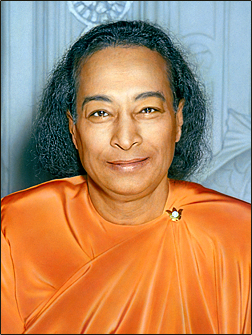
The Mind as Our Greatest Ally
Paramahansa Yogananda once stated, "The instrument of all instruments is the mind. This is the weapon I would use in life." In this profound assertion, Yogananda elevates the mind to a position of paramount importance, suggesting that our thoughts and mental faculties are not merely tools but rather the very essence of our existence and experience. This perspective invites us to consider the implications of our mental landscape, urging us to harness its power wisely and intentionally. The stakes are high; in a world often dominated by external distractions and chaos, understanding the mind's role can lead to profound personal transformation and spiritual awakening.
Delving deeper, we recognize that the mind is not just a passive observer but an active participant in shaping our reality. Yogananda's words compel us to reflect on how our thoughts influence our actions, emotions, and ultimately, our destinies. The mind can be a source of wisdom and clarity or a breeding ground for confusion and negativity. By acknowledging its dual potential, we are called to cultivate a disciplined and aware mental state, one that aligns with our higher purpose and spiritual aspirations. This journey of mastery over the mind is not merely an intellectual exercise; it is a path toward self-realization and inner peace.
The image / the metaphor
In Yogananda's quote, the imagery of the mind as an "instrument" evokes a sense of precision and capability. An instrument is something that can be finely tuned, adapted, and wielded with skill. The choice of the word "weapon" adds a layer of intensity, suggesting that the mind can be a powerful force in navigating life's challenges. This duality—of the mind as both a tool for creation and a weapon for defense—captures the complexity of our inner world. It invites us to consider how we can wield our thoughts with intention, using them to carve out a path toward our highest potential.
Going deeper into the metaphor, we can see that the mind is not merely a static entity; it is dynamic and fluid, capable of transformation. Just as a musician learns to master their instrument through practice, we too must engage in the ongoing work of refining our mental faculties. This process involves recognizing the thoughts that serve us and those that hinder our growth. By cultivating mindfulness and awareness, we can learn to navigate the intricate landscape of our minds, transforming them into instruments of peace, love, and wisdom.
In the speaker's tradition
Paramahansa Yogananda's teachings are deeply rooted in the rich tradition of Hindu philosophy, where the mind is often viewed as both a source of bondage and liberation. Concepts such as *dharma* (righteous duty) and *prajna* (wisdom) highlight the importance of aligning our mental faculties with our higher purpose. In this context, the mastery of the mind is essential for realizing one's true self and fulfilling one's *dharma*. Yogananda's emphasis on the mind as an instrument reflects the broader Hindu understanding that our thoughts shape our reality and spiritual journey.
In the *Bhagavad Gita*, a foundational text in Hindu philosophy, Lord Krishna advises Arjuna on the importance of controlling the mind. He states, "For one who has conquered the mind, the mind is the best of friends; but for one who has failed to do so, the mind will be the greatest enemy." This echoes Yogananda's assertion that the mind can be a powerful ally or a formidable foe, depending on how we choose to engage with it. By cultivating awareness and discipline, we can transform our minds into instruments of spiritual growth and enlightenment.
Living the teaching
Consider a modern scenario where the teachings of Yogananda might resonate: a professional facing overwhelming stress at work. In such a situation, the mind can easily become a source of anxiety and self-doubt, leading to a cycle of negative thinking. By applying Yogananda's wisdom, this individual can consciously redirect their thoughts, using mindfulness techniques to cultivate a more balanced perspective. Instead of succumbing to the pressures of deadlines and expectations, they can view challenges as opportunities for growth, allowing their mind to become an instrument of resilience and clarity.
In the realm of relationships, Yogananda's teaching can also find profound application. Imagine a conflict arising between two friends, where misunderstandings and hurt feelings cloud their communication. By recognizing the power of their minds, both individuals can choose to approach the situation with compassion and understanding. Instead of allowing negative thoughts to dominate their interactions, they can consciously shift their mindset, seeking to understand each other's perspectives. In doing so, they transform their minds into instruments of healing and connection, fostering a deeper bond built on empathy and respect.
A reflection
As we contemplate Yogananda's assertion that "the instrument of all instruments is the mind," we are invited to reflect on our own mental landscapes. How often do we allow our thoughts to dictate our emotions and actions? In what ways can we cultivate a more intentional relationship with our minds, transforming them into powerful allies on our spiritual journey? Consider this contemplative question: What would it look like to approach each day with the awareness that your mind is both an instrument and a weapon, and how might that shift your experience of life?


