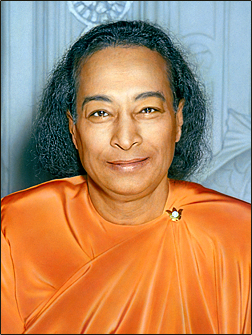
The Profound Bond of Love: Guru and Disciple
Paramahansa Yogananda once expressed that "the love between the guru and the disciple is the greatest love that exists." This statement invites us to explore the depths of a relationship that transcends ordinary affection, suggesting a divine connection rooted in spiritual awakening and mutual growth. In a world often preoccupied with transient relationships, Yogananda's words remind us of the transformative power of a true spiritual bond, one that can illuminate the path toward self-realization and enlightenment.
To understand the significance of this love, we must delve into the nature of the guru-disciple relationship, which is not merely transactional but deeply relational and sacred. It embodies a commitment to spiritual evolution, where the guru serves as a guiding light, illuminating the path for the disciple. This relationship is characterized by trust, surrender, and a shared journey toward the divine, making it a profound exploration of love that transcends the mundane and touches the eternal.
The image / the metaphor
The imagery in Yogananda's quote evokes a sense of deep connection and intimacy, suggesting that the love shared between a guru and disciple is unlike any other. The term "love" here is not confined to romantic or familial affection; rather, it encompasses a spiritual devotion that fosters growth and transformation. The verbs chosen—"love" and "exists"—imply a dynamic, living force that is essential for spiritual awakening, suggesting that this love is both a gift and a responsibility.
In the speaker's tradition
Within the tradition of Hinduism, the guru-disciple relationship is foundational, embodying concepts such as bhakti (devotion) and dharma (righteous duty). Yogananda's teachings emphasize the importance of surrendering to the guru, who embodies divine wisdom and compassion. This relationship is a manifestation of bhakti, where the disciple's love for the guru is a reflection of their love for the divine, fostering a deep sense of connection and purpose in their spiritual practice.
In texts such as the Bhagavad Gita, we find parallels to Yogananda's insights, particularly in the notion of surrendering to a higher power. Arjuna's relationship with Krishna serves as a poignant example of the transformative potential of such devotion. The Gita teaches that through surrendering to the divine, one can attain clarity and understanding, much like the disciple who opens their heart to the guidance of their guru.
Living the teaching
Consider a modern scenario where an individual seeks guidance in their spiritual journey. They may find themselves at a crossroads, grappling with uncertainty and self-doubt. In this moment, the presence of a guru—whether a teacher, mentor, or even a wise friend—can provide the necessary support and insight to navigate these challenges. The love shared in this relationship becomes a source of strength, encouraging the disciple to trust in their path and embrace their spiritual evolution.
Another application of this teaching can be seen in personal relationships, where the principles of the guru-disciple bond can enhance connections with loved ones. In times of conflict or misunderstanding, approaching the relationship with the same reverence and love that one would offer a guru can foster healing and growth. By embodying qualities such as patience, compassion, and understanding, individuals can transform their interactions into opportunities for deeper connection and mutual support.
A reflection
As we contemplate Yogananda's assertion about the unparalleled love between guru and disciple, we are invited to reflect on our own relationships with spiritual teachers and mentors. How can we cultivate a deeper sense of trust and surrender in these connections? In what ways can we embody the qualities of love and devotion in our daily lives, not only toward our teachers but also toward ourselves and others?


