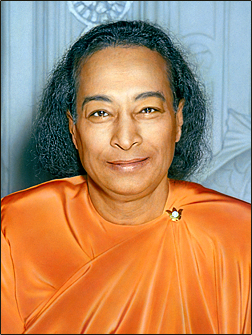
The Power of Belief: A Journey Within
Paramahansa Yogananda's assertion that "the man who says he can and the man who says he cannot are both right" invites us to reflect deeply on the nature of belief and the power of our mindset. This statement underscores the profound influence that our thoughts and convictions have on our reality. It challenges us to examine the narratives we construct about ourselves and the world, ultimately asking us to consider which version of ourselves we choose to embody. The stakes are high, as our beliefs shape not only our actions but also the very fabric of our experiences.
In a world where external circumstances often seem to dictate our paths, Yogananda's words serve as a powerful reminder of the internal landscape that governs our lives. The dichotomy he presents—between the one who believes in possibility and the one who does not—invites us to engage in a deeper inquiry into our own limitations and aspirations. This exploration is not merely an intellectual exercise; it is a call to awaken to the latent potential within us, urging us to harness our willpower and belief to manifest our desires and dreams.
The image / the metaphor
At first glance, Yogananda's quote presents a straightforward dichotomy: the man who believes he can achieve something versus the man who believes he cannot. The imagery evokes a sense of agency and choice, emphasizing the verbs "can" and "cannot" as pivotal points of decision. This choice is not just about external achievements but also about the internal dialogue that shapes our self-perception. The felt sense of this quote resonates with the weight of responsibility; it suggests that our beliefs are not passive observations but active forces that shape our reality.
In the speaker's tradition
Yogananda's teachings are deeply rooted in the spiritual tradition of Hinduism, which emphasizes the importance of belief and intention in shaping one's dharma, or life path. The concept of "sankalpa," or intention, plays a crucial role in this context, suggesting that our thoughts and desires can align with the divine will to create transformative experiences. This alignment is akin to the practice of "bhakti," or devotion, where one's heartfelt intentions are directed toward a higher purpose, allowing for the manifestation of one's true potential.
In the Bhagavad Gita, a foundational text of Hindu philosophy, Lord Krishna emphasizes the power of belief and action, stating that one must act according to their nature and convictions. This resonates with Yogananda's assertion, as both texts highlight the importance of self-awareness and the choices we make in shaping our destinies. The Gita teaches that through selfless action and unwavering belief, we can transcend our limitations and realize our higher selves, echoing Yogananda's call to embrace the power of "can."
Living the teaching
Consider a modern scenario where an individual faces a significant career decision. Perhaps they are contemplating a job change or pursuing a passion project that feels daunting. The internal dialogue may oscillate between "I can do this" and "I cannot," reflecting the struggle between fear and aspiration. In this context, Yogananda's quote serves as a guiding light, encouraging the individual to recognize that their belief in their capabilities will ultimately shape their actions and outcomes. By embracing the mindset of possibility, they can take steps toward their goals, transforming their aspirations into reality.
In the realm of relationships, this teaching can manifest in moments of conflict or misunderstanding. When faced with a challenging conversation, one might think, "I cannot express my feelings" or "I can communicate openly." The choice of belief influences the approach taken in the relationship. By adopting the mindset of "I can," individuals open themselves to vulnerability and connection, fostering deeper understanding and intimacy. Yogananda's wisdom reminds us that our beliefs not only affect our personal journeys but also ripple out to impact those around us.
A reflection
As we contemplate Yogananda's profound words, we are invited to engage in a personal inquiry: What beliefs are currently shaping my reality, and how do they serve or hinder my growth? This question encourages us to reflect on the narratives we tell ourselves and the power we hold in redefining them. In this moment of introspection, we can begin to discern whether we are embodying the spirit of possibility or the confines of limitation, ultimately guiding us toward a more empowered existence.


