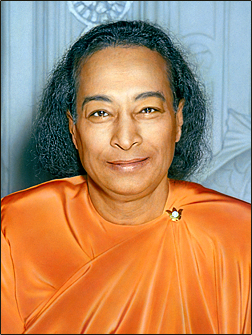
The Dance of Joy and Misery: Training the Mind
Paramahansa Yogananda's assertion that "the mind, sheltered in a beautiful body, can be a source of great joy, or terrible misery. It is all in the training" invites us to explore the profound interplay between our mental states and our physical existence. This statement underscores the pivotal role of mental discipline in shaping our experiences. In a world often dominated by external circumstances, Yogananda reminds us that the true source of our happiness or suffering lies within, contingent upon how we train our minds.
To delve deeper, we must recognize that Yogananda's words are not merely a reflection on the mind's capabilities but also a call to action. The notion of "training" suggests a process, a journey of self-discovery and mastery. It implies that joy and misery are not fixed states but rather fluid experiences that can be cultivated or diminished through our conscious efforts. This perspective is particularly relevant in today's fast-paced society, where distractions abound, and the mind often wanders into realms of anxiety and despair. By embracing the discipline of mental training, we can transform our inner landscape, fostering a sense of peace and joy that transcends external conditions.
The image / the metaphor
Yogananda's imagery of the mind being "sheltered in a beautiful body" evokes a sense of harmony between the physical and the mental. The term "sheltered" suggests protection and nurturing, indicating that our bodies can serve as a sanctuary for our minds. The juxtaposition of beauty with the mind's potential for both joy and misery highlights the duality of human experience. It compels us to consider how our physical state can influence our mental well-being and vice versa, creating a dynamic interplay that shapes our overall existence.
Delving deeper into the metaphor, we can see that the "beautiful body" symbolizes not just physical appearance but also the vitality and health that can support a flourishing mind. When we care for our bodies through proper nutrition, exercise, and rest, we create an environment conducive to mental clarity and emotional stability. Conversely, neglecting our physical well-being can lead to a mind clouded by negativity and despair. Thus, Yogananda's quote serves as a reminder that our mental training is intricately linked to our physical state, urging us to cultivate both for a harmonious life.
In the speaker's tradition
Within the context of Hindu philosophy, Yogananda's insights resonate deeply with concepts such as dharma and prajna. Dharma, often translated as "righteous duty," emphasizes the importance of aligning one's actions with a higher purpose, which can lead to a more joyful existence. Meanwhile, prajna refers to wisdom or discernment, the ability to see beyond the surface of experiences. Yogananda's teaching suggests that through the training of the mind, we can cultivate prajna, enabling us to navigate life's challenges with grace and understanding, ultimately fulfilling our dharma.
A relevant text that echoes this sentiment is the Bhagavad Gita, where Lord Krishna imparts wisdom to Arjuna about the nature of the mind and the importance of self-mastery. In Chapter 6, Krishna emphasizes that the mind can be both a friend and an enemy, depending on whether it is trained or untrained. This aligns with Yogananda's assertion that the quality of our mental training directly influences our experience of joy or misery, reinforcing the timeless wisdom found in the sacred texts of Hinduism.
Living the teaching
Consider a modern scenario where this teaching can be applied: imagine a busy professional facing overwhelming stress at work. The demands of deadlines and expectations can easily lead to feelings of anxiety and frustration. However, by consciously training the mind through practices such as mindfulness meditation or positive affirmations, this individual can cultivate a sense of calm and clarity. Instead of succumbing to the pressures of the external environment, they learn to navigate their thoughts and emotions, transforming potential misery into a source of resilience and joy.
In a different context, think about a relationship that has become strained due to misunderstandings and unresolved conflicts. By applying Yogananda's teaching, one partner can take the initiative to train their mind to respond with compassion and understanding rather than defensiveness. This shift in perspective can lead to more constructive communication and a deeper connection, illustrating how the training of the mind can profoundly impact our interactions with others. In both scenarios, the essence of Yogananda's message is clear: the cultivation of a disciplined mind can lead to transformative experiences, fostering joy even amidst challenges.
A reflection
As we contemplate Yogananda's profound insight, we are invited to reflect on our own mental training. How often do we allow our minds to drift into patterns of negativity or despair? In what ways can we consciously cultivate joy through the training of our thoughts and emotions? By engaging with these questions, we can begin to uncover the transformative power of our minds, recognizing that the journey toward joy is not merely a destination but a continuous practice of awareness and intention.


