Finding the Main Tent: A Journey Beyond Distraction
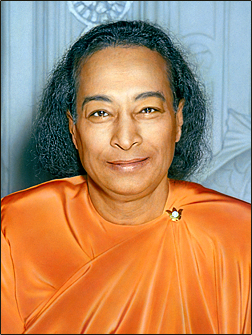
Paramahansa Yogananda's assertion that "the path to God is not a circus" invites us to reflect on the distractions that often derail our spiritual journeys. He urges us to bypass the "sideshows" of life and focus on the essence of our quest for the Divine. This metaphor speaks to the heart of spiritual discipline, emphasizing the importance of clarity and purpose in our pursuit of God. In a world filled with noise and spectacle, this teaching reminds us that our spiritual path requires unwavering focus and commitment.
In a society that often prioritizes entertainment and superficial engagement, Yogananda's words resonate deeply. The "main tent" symbolizes the core of our spiritual practice, where genuine connection with the Divine occurs. By recognizing the distractions that masquerade as spiritual pursuits, we can redirect our energy toward meaningful practices that foster growth and understanding. This call to discipline is not merely a suggestion; it is a vital reminder that the journey to God is one of profound seriousness and depth.
The image / the metaphor
The imagery of a circus evokes a vivid landscape filled with vibrant colors, loud sounds, and captivating performances. Yet, within this spectacle lies a sense of chaos and distraction. Yogananda's choice of words, particularly "sideshow," suggests that many experiences we encounter may seem enticing but ultimately lead us away from our true purpose. The "main tent," in contrast, represents a focused space where the essence of our spiritual journey unfolds, free from the noise of the external world.
In the speaker's tradition
Paramahansa Yogananda's teachings are deeply rooted in the rich tradition of Hinduism, where concepts such as dharma and bhakti play pivotal roles in guiding one's spiritual journey. Dharma, or righteous duty, encourages individuals to align their actions with their higher purpose, while bhakti emphasizes devotion and love for the Divine. Yogananda's call to focus on the main tent can be seen as an invitation to engage with these principles, fostering a disciplined approach to our spiritual lives.
In the Bhagavad Gita, a foundational text in Hindu philosophy, the importance of focus and dedication is echoed in the teachings of Lord Krishna to Arjuna. Krishna emphasizes the significance of performing one's duty without attachment to the results, guiding Arjuna back to his path amidst the distractions of doubt and fear. This parallel reinforces Yogananda's message, reminding us that the journey to God requires both discipline and devotion, steering us away from the enticing yet ultimately unfulfilling sideshows of life.
Living the teaching
Consider a modern scenario where the teaching of Yogananda finds relevance: the overwhelming presence of social media in our lives. Each notification, each scroll through a feed can serve as a sideshow, pulling our attention away from deeper, more meaningful pursuits. In this context, the challenge lies in recognizing these distractions and consciously choosing to engage in practices that foster genuine connection—be it through meditation, prayer, or simply spending time in nature. By prioritizing these activities, we can cultivate a deeper sense of purpose and connection to the Divine.
Another application of this teaching can be found in our relationships. Often, we may find ourselves caught up in the drama and distractions of interpersonal conflicts, losing sight of the love and connection that originally brought us together. Yogananda's wisdom encourages us to return to the main tent of our relationships, focusing on understanding, compassion, and shared values. By doing so, we can navigate challenges with grace and deepen our connections, allowing love to flourish amidst the distractions of daily life.
A reflection
As we contemplate Yogananda's profound words, we are invited to examine our own lives and the distractions that may be pulling us away from our spiritual path. What sideshows are currently vying for your attention, and how can you redirect your focus toward the main tent of your spiritual journey? This question encourages us to engage in self-reflection, fostering a deeper understanding of our priorities and the choices we make in our pursuit of the Divine.


