The Chains of Desire: Unraveling the Path to Freedom
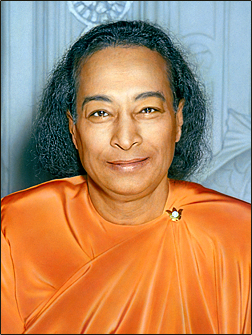
Paramahansa Yogananda's assertion that "the power of unfulfilled desires is the root of all man's slavery" invites us to reflect deeply on the nature of our desires and the ways they can bind us. In essence, he suggests that the unquenchable thirst for what we do not have can lead to a form of bondage, where our happiness and sense of self-worth become contingent upon external circumstances. This perspective is crucial in a world where desires often masquerade as needs, leading us into cycles of dissatisfaction and yearning.
To grasp the weight of Yogananda's words, we must consider the implications of unfulfilled desires on our psyche and spiritual journey. The struggle against these desires can create a sense of inner turmoil, pulling us away from our true essence and the peace that lies within. By recognizing the power of these unfulfilled longings, we can begin to understand how they shape our experiences and perceptions, ultimately guiding us toward a more liberated existence.
The image / the metaphor
Yogananda's quote evokes a vivid image of desire as a powerful force that can ensnare the human spirit. The term "slavery" conjures feelings of confinement and helplessness, suggesting that unfulfilled desires can create chains that bind us to a life of longing and dissatisfaction. The use of the word "power" indicates that these desires are not merely passive feelings; they possess an active force that can dictate our actions and thoughts, leading us away from our true selves.
Delving deeper into the metaphor, we can see how unfulfilled desires act as a double-edged sword. On one hand, they can motivate us to strive for improvement and growth; on the other, they can ensnare us in a cycle of endless wanting. This duality highlights the importance of discernment in our relationship with desire, as we navigate the fine line between aspiration and attachment. The imagery of slavery serves as a stark reminder of the consequences of unchecked desires, urging us to seek liberation through detachment and self-awareness.
In the speaker's tradition
Within the context of Hindu philosophy, Yogananda's insights resonate with key concepts such as *samsara* (the cycle of birth and rebirth), *moksha* (liberation), and *detachment* (*vairagya*). The notion that unfulfilled desires can lead to suffering aligns with the teachings found in the *Bhagavad Gita*, where Lord Krishna emphasizes the importance of performing one's duty without attachment to the fruits of one's actions. This detachment is essential for achieving spiritual freedom and ultimately transcending the cycle of desire that binds us to the material world.
Moreover, Yogananda's perspective can be compared to the Buddhist concept of *dukkha*, which refers to the inherent suffering that arises from attachment and desire. Both traditions recognize that liberation comes not from the fulfillment of desires but from understanding their transient nature. In this light, Yogananda's teaching serves as a bridge between Hindu and Buddhist philosophies, inviting seekers to explore the depths of their desires and the freedom that lies beyond them.
Living the teaching
Consider a modern scenario where an individual is caught in the relentless pursuit of career success. This person may find themselves working long hours, sacrificing personal relationships and well-being in the hope of achieving a promotion or recognition. In this context, the unfulfilled desire for success becomes a source of stress and anxiety, creating a sense of enslavement to external validation. By recognizing this pattern, the individual can begin to shift their focus from the desire for success to the fulfillment found in the present moment, fostering a sense of peace and contentment.
In relationships, the impact of unfulfilled desires can be equally profound. Imagine a couple where one partner yearns for deeper emotional connection while the other feels overwhelmed by the pressure to meet these expectations. This dynamic can lead to resentment and distance, as unfulfilled desires create a rift between them. By cultivating awareness of these desires and practicing open communication, both partners can work toward understanding each other's needs without becoming enslaved by them. This approach fosters a healthier, more balanced relationship grounded in mutual respect and love.
A reflection
As we contemplate Yogananda's profound statement, we are invited to examine our own lives and the desires that may be holding us captive. What unfulfilled desires linger in your heart, and how do they shape your experience of freedom? By reflecting on this question, we can begin to unravel the chains of attachment and move toward a more liberated existence, one where our happiness is not dictated by external circumstances but rooted in the peace of our true selves.


