The Divine Reflection: Rediscovering the Soul Beyond the Ego
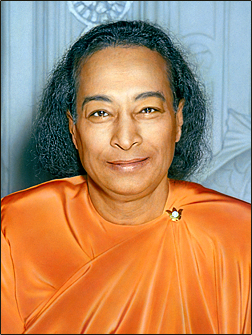
Paramahansa Yogananda eloquently states, "The soul, being a reflection of Spirit, is by nature ever perfect. But when identified with the ego, it forgets its divine nature." This profound insight invites us to explore the inherent perfection of our true selves, which often becomes obscured by the layers of ego. In a world that frequently prioritizes external validation and material success, understanding this distinction is crucial for spiritual growth and self-realization.
Yogananda's words resonate deeply in our contemporary lives, where the ego often masquerades as our true identity. The soul, in its essence, is a divine spark, a reflection of the universal Spirit. Yet, when we become entangled in the narratives constructed by our ego—our fears, desires, and societal expectations—we risk losing sight of our authentic selves. This journey of rediscovery is not merely philosophical; it is a vital practice for anyone seeking to live a life of purpose and fulfillment.
The image / the metaphor
The imagery in Yogananda's quote is rich and evocative. The soul is described as a "reflection," suggesting a mirror-like quality that captures the essence of Spirit. This metaphor implies that our true nature is not separate from the divine; rather, it is an expression of it. The use of the word "perfect" emphasizes the inherent wholeness of the soul, untouched by the imperfections that the ego introduces. The contrast between the soul's perfection and the ego's distortions creates a vivid picture of the spiritual journey we undertake.
Diving deeper into this metaphor, we can see that the act of forgetting one's divine nature is akin to a cloud obscuring the sun. Just as the sun remains unchanged behind the clouds, the soul retains its perfection despite the ego's interference. This imagery invites us to consider the layers of conditioning and identity we have adopted over time. The journey toward self-realization involves peeling back these layers to reveal the radiant essence of our true selves, which is always present, waiting to be acknowledged.
In the speaker's tradition
Yogananda's teachings are deeply rooted in the rich tradition of Hindu philosophy, where concepts such as dharma, the moral order of the universe, and bhakti, the path of devotion, play significant roles. The notion of the soul's perfection aligns with the idea of *atman*, the true self, which is considered eternal and unchanging. In contrast, the ego can be likened to *avidya*, or ignorance, which clouds our understanding of our true nature. This duality between the eternal soul and the transient ego is a central theme in many Hindu texts, emphasizing the importance of spiritual awakening.
In the *Bhagavad Gita*, Krishna speaks of the eternal nature of the soul, urging Arjuna to rise above the ego's attachments and recognize his divine essence. This call to action mirrors Yogananda's message, reminding us that our spiritual journey requires a conscious effort to transcend the limitations imposed by the ego. By engaging in practices such as meditation and self-inquiry, we can cultivate a deeper understanding of our true nature and align ourselves with the divine flow of existence.
Living the teaching
Consider a modern scenario where this teaching can be applied: a professional facing a challenging work environment. The pressures of competition and the desire for recognition can lead one to identify strongly with their ego, resulting in stress and dissatisfaction. By reflecting on Yogananda's insight, this individual might begin to recognize that their worth is not tied to external achievements but rather rooted in their inherent perfection as a soul. This shift in perspective can foster resilience and a sense of peace, allowing them to navigate challenges with grace.
In the context of relationships, the teachings of Yogananda can illuminate the dynamics of connection. When conflicts arise, it is easy to become entrenched in ego-driven responses, seeking to defend oneself or assert dominance. However, by remembering the divine nature of both oneself and the other, one can approach the situation with compassion and understanding. This practice of recognizing the soul in others can transform interactions, fostering deeper connections and healing within relationships.
A reflection
As we contemplate Yogananda's profound words, we are invited to ask ourselves: In what ways do I identify with my ego, and how does this hinder my connection to my true self? This question encourages introspection and invites us to explore the layers of our identity that may be obscuring our divine essence. By engaging with this inquiry, we can begin to peel back the layers of conditioning and rediscover the perfection that lies within, ultimately leading us toward a more authentic and fulfilling life.


