The Ocean of Spirit: Understanding Our Place in Creation
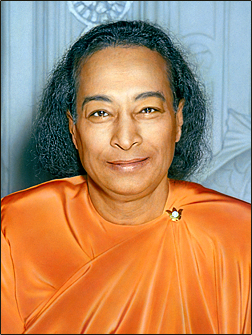
Paramahansa Yogananda's quote, "The wave is the same as the ocean, though it is not the whole ocean. So each wave of creation is a part of the eternal Ocean of Spirit," invites us to reflect on the profound interconnectedness of existence. In this metaphor, the wave symbolizes individual life experiences, while the ocean represents the vast, unifying essence of Spirit. This understanding is crucial as it challenges our perception of separation and individuality, urging us to recognize our intrinsic connection to a greater whole.
By contemplating this imagery, we can begin to dissolve the boundaries that often define our identities and experiences. The wave, while distinct in its form and movement, is never separate from the ocean; it is a manifestation of the ocean itself. This realization holds significant implications for how we navigate our lives, relationships, and spiritual journeys, reminding us that we are not isolated entities but integral parts of a larger cosmic tapestry.
The image / the metaphor
The metaphor of the wave and the ocean is rich with imagery that evokes both beauty and depth. The wave, with its crest and trough, embodies the dynamic nature of life—its rise and fall, its moments of clarity and confusion. The choice of the word "same" emphasizes the essential unity between the wave and the ocean, suggesting that while we may experience ourselves as separate, we are fundamentally composed of the same essence that constitutes the universe. This imagery invites us to feel the ebb and flow of our existence, recognizing that each moment is a part of a larger rhythm.
Diving deeper into this metaphor, we can explore the implications of being both wave and ocean. The wave's individuality does not diminish its connection to the ocean; rather, it enhances it. Each wave carries the ocean's energy, just as each individual carries the essence of Spirit within them. This understanding encourages us to embrace our unique experiences while simultaneously acknowledging our shared existence. It is a reminder that our personal journeys are not isolated but are woven into the fabric of the collective experience of life.
In the speaker's tradition
Paramahansa Yogananda's teachings are deeply rooted in the Hindu tradition, which emphasizes the concept of oneness through various philosophical lenses. The idea of dharma, or one's duty, aligns with the notion that each wave has its purpose within the ocean of Spirit. This perspective encourages individuals to fulfill their unique roles while recognizing their connection to the greater whole. The concept of kenosis, or self-emptying, further complements this understanding, as it invites us to let go of the ego and embrace our true nature as part of the divine ocean.
In the Bhagavad Gita, a foundational text in Hindu philosophy, the idea of oneness is echoed in the teachings of Krishna, who reveals that all beings are manifestations of the same divine source. This text emphasizes that understanding our connection to the divine is essential for spiritual growth. Just as the wave is a part of the ocean, so too are we part of the eternal Spirit that flows through all creation. This interconnectedness is a central theme in Yogananda's teachings, urging us to cultivate awareness of our unity with all beings.
Living the teaching
Consider a modern scenario where this teaching resonates: a workplace filled with diverse personalities and perspectives. Each individual, like a wave, brings unique talents and challenges to the collective environment. By recognizing that each person is a part of the same ocean of Spirit, we can foster a sense of collaboration and understanding, transcending competition and conflict. This awareness allows us to appreciate the contributions of others while also acknowledging our shared purpose in the workplace.
In a more personal context, think about a difficult moment in a relationship. When conflicts arise, it is easy to feel isolated and separate from the other person. However, by remembering that both individuals are waves of the same ocean, we can approach the situation with compassion and empathy. This perspective encourages us to seek common ground and understanding, allowing the relationship to deepen rather than fracture. Embracing this teaching in our daily interactions can transform our relationships and enhance our sense of belonging within the greater whole.
A reflection
As we contemplate Yogananda's profound metaphor of the wave and the ocean, we are invited to reflect on our own lives. How can we cultivate a deeper awareness of our connection to the greater ocean of Spirit? In what ways can we embrace our individuality while recognizing our shared essence with others? This contemplation encourages us to explore the delicate balance between self-expression and unity, guiding us toward a more harmonious existence.


