The Joy of Creation: Embracing Our Inner Artist
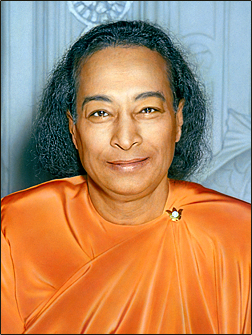
Paramahansa Yogananda profoundly states, "There is no greater joy than that of feeling oneself a creator. The triumph of life is expressed by creation." In these words, he encapsulates the essence of human experience, suggesting that the act of creation is not merely an external endeavor but a deep, internal fulfillment. This perspective invites us to explore the transformative power of creativity, urging us to recognize that our ability to create—whether through art, relationships, or personal growth—serves as a vital expression of our existence.
In a world often dominated by routine and predictability, Yogananda’s insight serves as a reminder of the inherent joy that comes from engaging in the creative process. This joy is not limited to artists or creators in the conventional sense; rather, it is accessible to anyone willing to embrace their creative potential. By acknowledging our role as creators, we can experience a profound sense of triumph that transcends the mundane, allowing us to connect with the deeper currents of life and existence.
The image / the metaphor
The imagery in Yogananda's quote evokes a sense of empowerment and liberation. The term "creator" suggests an active engagement with life, where one is not merely a passive observer but an active participant in the unfolding of existence. The verbs "feeling" and "expressed" indicate a dynamic relationship between the creator and the act of creation, emphasizing that joy arises from both the internal experience and the external manifestation of creativity. This duality reflects the interconnectedness of thought and action, where the inner world shapes the outer reality.
In the speaker's tradition
Yogananda's teachings are deeply rooted in the Hindu tradition, where the concept of creation is intertwined with the understanding of dharma, or one's rightful duty. In this context, to create is to fulfill one's dharma, aligning personal expression with the cosmic order. This alignment fosters a sense of purpose and joy, as individuals engage in activities that resonate with their true selves. Additionally, the notion of kenosis, or self-emptying, complements this idea, suggesting that true creation arises when one surrenders the ego and allows divine inspiration to flow through.
In the Bhagavad Gita, a foundational text of Hindu philosophy, Krishna encourages Arjuna to embrace his role as a warrior, emphasizing that action performed in alignment with one's dharma leads to liberation. This echoes Yogananda's assertion that creation is a triumph of life, as it reflects the divine play (lila) of existence. By engaging in our unique creative expressions, we not only honor our individual paths but also contribute to the collective harmony of the universe.
Living the teaching
Consider a modern scenario where an individual feels stuck in a monotonous job, yearning for a sense of fulfillment. By embracing Yogananda's teaching, this person might begin to explore creative outlets outside of work, such as painting, writing, or volunteering. These activities can ignite a sense of joy and purpose, transforming their perception of life from one of mere survival to one of vibrant creation. The act of engaging in creativity can serve as a catalyst for personal growth, allowing them to reconnect with their passions and aspirations.
In relationships, the concept of creation can manifest as the nurturing of connections with others. For instance, during a challenging moment with a partner, one might choose to approach the situation with a creative mindset, seeking to understand and express feelings in new ways. This could involve open communication, shared activities, or even collaborative problem-solving. By viewing relationships as a canvas for creation, individuals can foster deeper connections and cultivate a sense of shared joy, illustrating the triumph of life through the art of loving engagement.
A reflection
As we contemplate Yogananda's assertion that "the triumph of life is expressed by creation," we are invited to reflect on our own creative journeys. What does it mean for you to feel like a creator in your life? In what areas are you currently expressing your creativity, and where might you be holding back? These questions encourage us to explore the depths of our potential, inviting us to embrace the joy that comes from actively participating in the creation of our lives.


