The Divine Narrative: Embracing Life's Mysteries
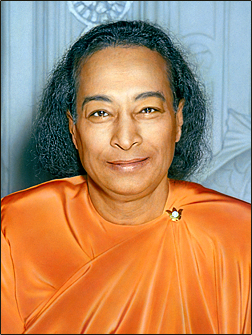
Paramahansa Yogananda's assertion that "This life is a master novel, written by God, and man would go crazy if he tried to understand it by reason alone" invites us to reflect on the profound complexity of existence. In this statement, Yogananda emphasizes the intricate tapestry of life, suggesting that our attempts to dissect it through mere rationality can lead to confusion and despair. This perspective holds significant implications for how we navigate our daily experiences and the spiritual journey we undertake.
By framing life as a "master novel," Yogananda encourages us to embrace the narrative quality of our experiences, recognizing that they are not merely random occurrences but part of a larger divine story. This understanding invites us to cultivate a sense of wonder and acceptance, allowing us to engage with life's mysteries rather than resist them. In a world often dominated by logic and analysis, Yogananda's words remind us of the limitations of reason and the necessity of a more holistic approach to understanding our existence.
The image / the metaphor
The imagery of life as a "master novel" evokes a sense of artistry and intentionality, suggesting that each moment is crafted with purpose and depth. The term "master" implies a level of expertise and wisdom that transcends human understanding, while "novel" connotes a rich narrative filled with characters, conflicts, and resolutions. This metaphor invites us to see our lives not as chaotic sequences of events but as chapters in a grand story, each contributing to our growth and evolution.
Diving deeper into this metaphor, we can appreciate the role of the author—God, in Yogananda's view—who weaves together the threads of our experiences. This divine authorship implies that there is a greater intelligence at play, one that understands the intricacies of our lives far beyond our limited reasoning. By recognizing ourselves as characters in this master novel, we can cultivate a sense of humility and trust, surrendering to the unfolding narrative rather than striving to control it through rational thought.
In the speaker's tradition
Yogananda's perspective is deeply rooted in the Hindu tradition, which emphasizes the interplay between the individual soul (atman) and the universal spirit (Brahman). Concepts such as dharma, the moral order of the universe, and bhakti, the path of devotion, resonate with the idea that life is a divine narrative. In this context, understanding our role within the larger story becomes essential, as it guides us toward fulfilling our purpose and aligning with the cosmic order.
Moreover, the notion of kenosis, or self-emptying, aligns with Yogananda's teaching. By letting go of the need to comprehend every aspect of our lives through reason, we open ourselves to deeper spiritual insights. The Bhagavad Gita, a foundational text in Hindu philosophy, echoes this sentiment, encouraging us to act without attachment to the fruits of our actions, thus allowing the divine narrative to unfold naturally.
Living the teaching
Consider a modern scenario where this teaching resonates: a person facing a significant life change, such as a job loss or the end of a relationship. In such moments, the instinct may be to analyze every detail, seeking logical explanations and solutions. However, embracing Yogananda's perspective invites this individual to step back and view the situation as part of a larger narrative, one that may ultimately lead to growth and new opportunities. This shift in mindset can transform feelings of despair into a sense of curiosity and hope.
In another application, think about a challenging relationship where misunderstandings abound. Instead of approaching the situation with a purely rational mindset, one might reflect on the idea that each interaction is a chapter in a shared story, rich with lessons and opportunities for connection. By adopting this perspective, individuals can foster empathy and patience, recognizing that the complexities of human relationships are part of a divine narrative that encourages growth and understanding.
A reflection
As we contemplate Yogananda's profound insight, we are invited to ask ourselves: How can I embrace the mysteries of my life without the compulsion to understand them fully? This question encourages us to cultivate a sense of openness and trust in the unfolding narrative of our existence, allowing us to engage with life more fully and authentically. In doing so, we may discover that the beauty of life lies not in its comprehension but in our willingness to experience it deeply.


