Harvesting Patience Amidst the Storms of Sorrow
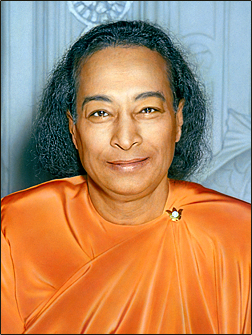
Paramahansa Yogananda's poignant words remind us that when we are besieged by the storms of sorrow, we must cultivate patience, for these trials are the fruits of our past actions coming to fruition. This perspective invites us to consider the deeper implications of our experiences, suggesting that our current struggles are not random but rather the results of our own karmic history. Understanding this can transform our relationship with suffering, allowing us to see it not merely as a burden but as a necessary part of our spiritual evolution.
In a world that often prioritizes immediate gratification and quick resolutions, Yogananda's call for patience resonates deeply. It challenges us to embrace the discomfort of sorrow as a teacher rather than an enemy. This approach encourages a contemplative stance toward our experiences, inviting us to reflect on the interconnectedness of our actions and their consequences. By recognizing the karmic nature of our trials, we can begin to navigate our emotional landscapes with greater wisdom and grace.
The image / the metaphor
The imagery in Yogananda's quote evokes a powerful sense of struggle against the forces of nature, where storms symbolize the tumultuous emotions and challenges we face in life. The word "assail" suggests an aggressive, almost violent encounter with sorrow, highlighting the intensity of our emotional experiences. Yet, within this turmoil lies the call for patience, a gentle reminder that enduring these storms is part of a larger process of growth and understanding.
Diving deeper into the metaphor, we can see that storms are not merely destructive; they also clear the air and nourish the earth. In this light, sorrow can be viewed as a catalyst for transformation, prompting us to confront unresolved issues and ultimately leading to personal evolution. The act of being patient amidst these storms becomes an exercise in resilience, allowing us to cultivate inner strength and clarity as we weather the tempests of our lives.
In the speaker's tradition
Paramahansa Yogananda's teachings are deeply rooted in the principles of Hindu philosophy, particularly the concepts of karma and dharma. Karma, the law of cause and effect, emphasizes that our past actions shape our present circumstances, while dharma refers to the moral and ethical duties that guide our actions. Together, these concepts create a framework for understanding our experiences, encouraging us to approach sorrow with a sense of responsibility and acceptance.
In the Bhagavad Gita, a foundational text in Hinduism, Lord Krishna advises Arjuna to perform his duty without attachment to the results. This teaching aligns with Yogananda's message, suggesting that patience in the face of sorrow is not passive resignation but an active engagement with our responsibilities. By embracing our karmic lessons, we can cultivate a deeper understanding of ourselves and our place in the universe, ultimately leading to spiritual growth and liberation.
Living the teaching
Consider a modern scenario where someone faces the loss of a job, an event that can feel like a storm of sorrow. In this moment, the individual may grapple with feelings of inadequacy and fear for the future. However, by applying Yogananda's teaching, they can recognize this experience as a manifestation of their past actions and choices, prompting reflection on what led to this moment. This perspective allows for a more constructive response, fostering patience as they navigate the uncertainty and seek new opportunities.
In the context of relationships, imagine a situation where a friend has betrayed your trust. The initial reaction may be one of anger and hurt, but through the lens of Yogananda's wisdom, one can begin to see this betrayal as a karmic lesson. By practicing patience, you can explore the underlying dynamics of the relationship, perhaps recognizing patterns that need to be addressed. This approach not only aids in healing but also encourages personal growth, transforming sorrow into a pathway for deeper understanding and connection.
A reflection
As we contemplate Yogananda's profound words, we are invited to reflect on our own experiences of sorrow and the lessons they may hold. How can we cultivate patience in the face of our struggles, recognizing them as opportunities for growth rather than mere obstacles? In what ways can we embrace the storms of our lives, allowing them to guide us toward greater self-awareness and compassion?


