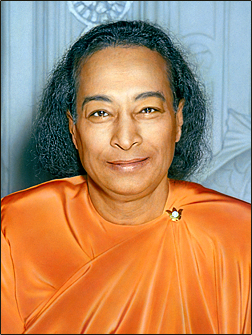
The Laughter of the Soul Amidst the Tears of the Heart
Paramahansa Yogananda's poignant observation, "When the heart weeps for what it has lost, the soul laughs for what it has found," invites us to explore the duality of human experience. In moments of profound loss, our hearts may feel heavy with sorrow, yet within that very sorrow lies the potential for discovery and growth. This quote encapsulates a fundamental truth about the interplay between grief and joy, urging us to recognize that every ending can also be a beginning. Understanding this dynamic is essential for navigating the complexities of life with grace and resilience.
As we delve deeper into Yogananda's wisdom, we uncover a rich tapestry of emotional and spiritual insights. The heart's weeping signifies our attachment to what we have lost—be it a loved one, a cherished dream, or a way of life. Conversely, the soul's laughter represents the awakening to new possibilities and insights that arise from these experiences of loss. This duality is not merely a philosophical concept; it is a lived reality that resonates deeply with our human condition, reminding us that within the depths of our sorrow, there exists the potential for profound transformation.
The image / the metaphor
The imagery in Yogananda's quote evokes a vivid contrast between the heart and the soul, two aspects of our being that often experience life in divergent ways. The heart, often associated with our emotions and attachments, weeps for what it has lost, illustrating the pain of separation and longing. The choice of the verb "weeps" conveys a sense of vulnerability and rawness, highlighting the depth of our emotional experiences. In contrast, the soul's laughter suggests a lightness and joy that transcends the immediate pain, indicating a deeper understanding and acceptance of life's cyclical nature.
In the speaker's tradition
Yogananda's teachings are deeply rooted in the spiritual tradition of Hinduism, which emphasizes the interconnectedness of all beings and the journey of the soul toward enlightenment. Concepts such as dharma, the moral order of the universe, and bhakti, the path of devotion, resonate with the themes of loss and discovery present in the quote. In this context, the heart's weeping can be seen as a natural response to the impermanence of life, while the soul's laughter reflects the understanding that true fulfillment lies in aligning with one's higher purpose and the divine.
Moreover, the notion of kenosis, or self-emptying, aligns with Yogananda's message. By allowing ourselves to grieve and release our attachments, we create space for new insights and experiences to emerge. This is echoed in the Bhagavad Gita, where Krishna teaches Arjuna about the importance of detachment and the eternal nature of the soul. The Gita reminds us that while we may experience loss in the material world, our true essence remains untouched and eternal, capable of finding joy even amidst sorrow.
Living the teaching
Consider a modern scenario where this teaching resonates: a person experiences the end of a long-term relationship. The heart feels heavy with grief, mourning the companionship and shared dreams that have now dissipated. Yet, as time passes, this individual begins to discover newfound passions and interests that were previously overshadowed by the relationship. Through this process of self-exploration, the soul begins to laugh, revealing the joy of rediscovery and the potential for a richer, more authentic life.
In another application, think about a challenging moment at work where a project fails despite significant effort. The immediate reaction may be one of disappointment and frustration, as the heart weeps for the lost opportunity. However, this experience can also serve as a powerful teacher, prompting reflection and growth. The individual may find that this setback leads to new insights, skills, or even a different career path that aligns more closely with their true calling. In this way, the laughter of the soul emerges from the ashes of disappointment, guiding us toward a more fulfilling journey.
A reflection
As we contemplate Yogananda's profound words, we are invited to reflect on our own experiences of loss and discovery. In what ways have you found laughter in the midst of sorrow? Consider the moments in your life where grief has transformed into insight, leading you to unexpected joys or deeper connections. Allow this reflection to deepen your understanding of the interplay between the heart and the soul, and how embracing both can lead to a more enriched existence.


