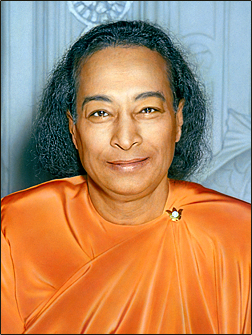
The True Mastery: Taming the Inner Beast
In the words of Paramahansa Yogananda, the mastery of the mind surpasses even the most extraordinary feats of control over nature's fiercest creatures. He suggests that while one may achieve remarkable accomplishments—such as subduing wild animals or performing miraculous acts—none of these compare to the challenge and significance of mastering one's own thoughts and emotions. This assertion invites us to reflect on the profound nature of self-discipline and the inner journey required to attain true peace and clarity.
Yogananda's statement resonates deeply in a world where external achievements often overshadow internal growth. The ability to control the mind is not merely a skill; it is a lifelong pursuit that demands dedication, introspection, and unwavering commitment. In a society that frequently equates success with external validation, Yogananda's wisdom serves as a gentle reminder that the most formidable battles are fought within, and the greatest victories are those that lead to self-mastery.
The image / the metaphor
Yogananda's vivid imagery evokes a sense of awe and wonder, illustrating the extremes of human capability. The mad elephant, the fierce bear, the majestic lion, and the venomous cobra symbolize the wild forces of nature that can be tamed through sheer will and skill. Each creature represents a different aspect of the challenges we face in life, while the verbs—control, shut, ride, play—imply a level of mastery that is both impressive and daunting. Yet, amidst these grand feats, Yogananda places the control of the mind at the pinnacle of achievement, suggesting that the true test of strength lies not in conquering the external world but in navigating the labyrinth of our own consciousness.
Diving deeper into this metaphor, we can see that the wild animals represent the chaotic and often unpredictable nature of our thoughts and emotions. Just as one must learn to ride a lion or play with a cobra, we must learn to engage with our inner turmoil without being overwhelmed. The act of controlling the mind is akin to training a wild beast; it requires patience, understanding, and a profound connection to the self. This metaphor serves as a powerful reminder that the journey toward self-mastery is not about suppression but about harmonizing with the various elements of our psyche.
In the speaker's tradition
Paramahansa Yogananda's teachings are deeply rooted in the rich tradition of Hindu philosophy, which emphasizes the importance of self-realization and inner peace. Concepts such as dharma, or one's righteous duty, and prajna, or wisdom, are integral to understanding the journey of self-mastery. In this context, the control of the mind aligns with the practice of meditation and self-inquiry, which are essential for cultivating a deeper awareness of one's thoughts and emotions. Yogananda's emphasis on this inner discipline reflects the broader Hindu belief that true enlightenment arises from within, rather than from external accomplishments.
In the Bhagavad Gita, a foundational text in Hindu philosophy, the struggle between the self and the mind is a central theme. Arjuna's internal conflict on the battlefield serves as a metaphor for the larger battle we all face in mastering our own minds. The Gita teaches that through disciplined practice and devotion (bhakti), one can transcend the limitations of the ego and achieve a state of inner peace. Yogananda's assertion echoes this wisdom, reinforcing the idea that the path to spiritual liberation is paved with the mastery of the mind.
Living the teaching
Consider a modern scenario where this teaching can be applied: a professional facing overwhelming stress at work. The demands of deadlines, expectations from colleagues, and the pressure to perform can create a chaotic mental environment. In this situation, the ability to control one's mind becomes paramount. By practicing mindfulness and meditation, the individual can cultivate a sense of calm amidst the storm, allowing them to respond thoughtfully rather than react impulsively. This practice of self-mastery not only enhances productivity but also fosters a deeper sense of fulfillment and purpose.
Another application of Yogananda's teaching can be found in personal relationships. Imagine a moment of conflict with a loved one, where emotions run high and misunderstandings abound. In such instances, the challenge lies in controlling one's thoughts and reactions, rather than succumbing to anger or frustration. By embracing the discipline of self-reflection and active listening, one can navigate the complexities of human interaction with grace and compassion. This commitment to mastering the mind not only strengthens relationships but also nurtures a deeper connection to oneself and others.
A reflection
As we contemplate Yogananda's profound assertion, we are invited to explore the depths of our own minds. What are the wild beasts that roam within us, and how can we begin to tame them? In this journey of self-discovery, let us ask ourselves: How can I cultivate greater awareness and control over my thoughts and emotions in my daily life? This question serves as a guiding light, illuminating the path toward true mastery and inner peace.


